









ActionAid's New Direction
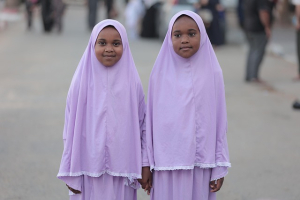
ActionAid, a charity established in 1972, has traditionally facilitated child sponsorships, allowing donors to choose specific children in need. Newly appointed co-CEOs Taahra Ghazi and Hannah Bond announced plans to "decolonise" the organization’s work, emphasizing a shift from a transactional sponsorship model to one that prioritizes solidarity and community needs. Ghazi highlighted concerns regarding the racial dynamics of the existing model, stating that it fosters a paternalistic relationship between predominantly white donors and children from poorer backgrounds.
The charity's funding, which relies on child sponsorship for 34% of its global budget, will be restructured to align more closely with the voices of the communities it serves. Bond noted that the transformation process will extend until 2028, focusing on creating meaningful partnerships rather than merely transactional relationships. This shift comes as other organizations, like Save the Children, have already moved away from traditional sponsorship models, citing their inappropriateness in contemporary contexts.
Trump's Tariff Strategy Against Cuba
In a separate but significant development, President Donald Trump signed an executive order to impose tariffs on goods from countries that sell oil to Cuba. This action is part of a broader strategy to undermine the Cuban government, which the White House associates with hostile entities like Russia and Hezbollah. The order declares a national emergency and empowers U.S. officials to evaluate tariff rates against these countries.
Cuba, an island nation with a population of approximately 8 million, relies heavily on oil imports, primarily from Mexico and Venezuela. The new tariff policy aims to pressure countries like Mexico, which has historically supplied oil to Cuba, to cease their support. Mexican President Claudia Sheinbaum has defended her country's oil agreements, asserting that humanitarian aid will continue despite U.S. pressure. However, she acknowledged that oil shipments to Cuba have paused recently.
Cuba's economy is under severe strain, especially following the U.S. arrest of Venezuelan leader Nicolás Maduro, which disrupted its primary oil supply. The island is currently facing fuel shortages, leading to rationing and electricity blackouts, as it has only a limited supply of oil reserves.
Wrap-up
The initiatives by ActionAid to redefine its child sponsorship approach and the Trump administration's tariff threats against countries supplying oil to Cuba highlight the complexities of international aid and foreign policy. Both situations underscore the need for sensitivity and strategic considerations in humanitarian efforts and geopolitical maneuvers.
Sources
theguardian.com
@hoju-korean.com Editorial Team











댓글목록0