











US Diplomatic Strategy in Africa
In a leaked email from January, Nick Checker, the new head of the Bureau of African Affairs, encouraged US diplomats to "unabashedly and aggressively" remind African nations of America's historical contributions to combating HIV/AIDS and alleviating famine. This communication reflects a shift in US foreign policy, which is moving from an aid-focused approach to one centered on trade and investment, as outlined in the Trump administration's national security strategy. Checker emphasized the need to counter the perception that the US is not a significant donor, asserting that Africa is a peripheral concern for US interests and suggesting a focus on strategic economic partnerships.
Critics of Checker's approach argue that it is disconnected from the realities of African nations that have benefited from US humanitarian aid. A former senior state foreign service official described the email as "offensive and downright racist," highlighting the ongoing humanitarian needs in the region. The email has sparked discussions on how the US can effectively balance its interests with the needs of African countries.
Landslide Risks in New Zealand
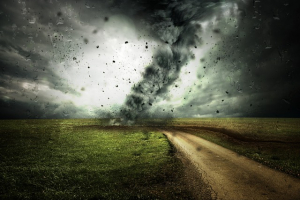
In New Zealand, experts warn that the frequency and intensity of landslides, the country's deadliest natural hazard, may increase due to climate change. Recent storms in January resulted in two tragic landslides in the North Island, claiming multiple lives and prompting evacuations in affected areas. Landslides have historically caused over 1,800 deaths in New Zealand, surpassing fatalities from earthquakes and volcanic activity.
Researchers attribute the heightened risk of landslides to a combination of natural factors and human activities, such as deforestation and land development. Climate scientists emphasize that global warming is intensifying tropical storms, leading to more frequent landslides. The recent Cyclone Gabrielle triggered approximately 800,000 landslides, marking one of the most extreme events recorded globally.
Experts advocate for improved land management practices and better planning to mitigate the risks associated with landslides and extreme weather. They stress the urgency of addressing climate change to prevent further devastation and to enhance the country's resilience against natural disasters.
Wrap-up
The contrasting situations in the US and New Zealand illustrate the diverse challenges faced by nations in the context of foreign policy and climate change. As the US seeks to redefine its role in Africa amidst aid cuts, New Zealand grapples with the increasing threat of landslides exacerbated by climate change. Both scenarios underscore the need for strategic planning and international cooperation to address pressing global issues.
Sources
theguardian.com
@hoju-korean.com Editorial Team





















댓글목록0