












Election Results and Allegations
The official results of Uganda's presidential election were announced on Sunday, with Museveni's victory marking another term for the long-serving leader, who has been in power since 1986. Despite the official tally, the election has faced criticism from African election observers and human rights organizations, citing heavy repression of dissent and an internet blackout that was implemented two days prior to the vote. The government justified the blackout as a measure to prevent misinformation and violence.
Bobi Wine's Uncertain Fate
Bobi Wine, whose real name is Robert Kyagulanyi, has not been seen since he reported escaping a police raid on his home. While police claim he remains at his residence, journalists have been barred from approaching the location. Wine previously condemned the election as a "blatant theft," and his current whereabouts have raised concerns about his safety. The opposition has reported instances of violence during the election, including claims that security forces killed at least 10 people in the Butambala area.
Museveni's Victory Speech
In his victory address, Museveni labeled the opposition as "terrorists," alleging that they sought to undermine the election process through violence. He specifically accused Wine's National Unity Platform (NUP) of planning attacks on polling stations. Museveni's comments reflect a longstanding narrative of portraying the opposition as threats to national security, a tactic often employed to justify crackdowns on dissent.
Protests and Security Presence
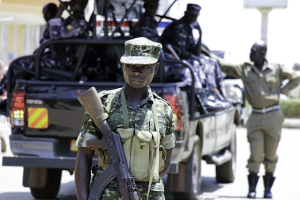
Following the announcement of the election results, Uganda experienced small-scale protests, particularly in the capital, Kampala, where police used tear gas to disperse crowds. However, the security presence was notably reduced the day after the election, allowing for a return to normalcy in many areas. Despite the tense atmosphere, analysts suggest that the election was largely a formality, given Museveni's extensive control over the state and security apparatus.
Wrap-up
The recent election in Uganda highlights the ongoing challenges of democratic governance in the country, with allegations of repression and violence casting a shadow over Museveni's victory. As the situation develops, the fate of opposition figures like Bobi Wine remains uncertain, raising questions about the future of political discourse in Uganda.
Sources
theguardian.com
@hoju-korean.com Editorial Team

























댓글목록0