











US House Rejects Military Resolution on Venezuela
The US House of Representatives has rejected a resolution aimed at preventing President Donald Trump from deploying military forces to Venezuela. The vote, which ended in a tie, highlighted the precarious grip of House Speaker Mike Johnson on the Republican majority and the growing dissent among Republicans regarding the President's foreign policy. The resolution was prompted by concerns over a recent military operation that captured Venezuelan President Nicolás Maduro, which left Congress uninformed. Democrats argued for the necessity of congressional oversight on wartime powers, while Republicans accused them of acting out of spite.
Canada's Prime Minister Calls for Unity Amid Global Challenges
In a national address, Canadian Prime Minister Mark Carney urged his country to serve as a "beacon" in a tumultuous world. Speaking from a historic site in Quebec City, Carney emphasized the importance of national unity as Canada faces domestic and international pressures. He criticized the notion that Canada thrives solely due to its relationship with the United States, asserting that the country has its own identity and values. Carney's remarks come amidst criticism from opposition parties regarding his trade missions and the looming threat of sovereignty referendums in Alberta and Quebec.
Japan Halts Restart of Largest Nuclear Power Plant
Japan's Kashiwazaki-Kariwa nuclear power plant, the largest in the world, was shut down just one day after it resumed operations for the first time in 14 years. The Tokyo Electric Power Company reported an alarm during the startup procedures, leading to the suspension of operations. The plant had been offline since the 2011 Fukushima disaster, and its restart is part of Japan's strategy to reduce reliance on fossil fuels and achieve carbon neutrality. Public opinion remains divided, with many residents opposing the restart due to safety concerns.
Landslides in New Zealand Leave Two Dead and Nine Missing
Two landslides on New Zealand's North Island have resulted in at least two fatalities, with nine individuals reported missing, including children. The landslides struck a house and a campground during the summer holiday, leading to significant damage and prompting emergency rescue operations. Local authorities are facing challenges in the search for missing persons due to unstable conditions in the area. The landslides followed heavy rainfall that caused widespread damage across the region.
Shark Attack Victim in Critical Condition in Australia
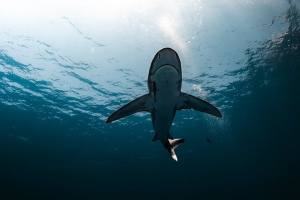
A 12-year-old boy remains in critical condition after a shark attack in Sydney Harbour. The incident, which occurred while the boy was jumping off rocks, is part of a troubling trend of increased shark attacks along the New South Wales coast. Experts attribute the rise in incidents to murky water conditions caused by recent heavy rainfall, which attract sharks. Authorities are urging the public to exercise caution in the water as the Australia Day weekend approaches.
Wrap-up
As these diverse issues unfold, they reflect broader themes of political instability, environmental challenges, and public safety concerns across the globe. The interconnected nature of these events underscores the complexity of navigating both human and natural crises in today's world.
Sources
theguardian.com
@hoju-korean.com Editorial Team















댓글목록0