













Hong Kong Activists on Trial
The national security trial of Chow Hang-tung, Lee Cheuk-yan, and Albert Ho begins on Thursday in Hong Kong. They are charged with inciting subversion for organizing a vigil commemorating the Tiananmen Square massacre. This high-profile case represents a critical moment in Hong Kong's ongoing struggle for democracy since the imposition of the national security law by Beijing in 2020. If convicted, the activists could face up to ten years in prison. The law has a near-100% conviction rate, and the trial will be overseen by judges appointed by the government rather than a jury.
Chow, a renowned human rights lawyer, has been detained for over four years, while Lee and Ho have previous convictions related to unauthorized assemblies during the pro-democracy protests in 2019. The vigil, which attracted tens of thousands annually, was banned in 2020, marking a significant blow to free expression in Hong Kong.
Political Turmoil in Australia
In Australia, political tensions are mounting as Malcolm Turnbull described the Coalition as a "smouldering wreckage" following the resignation of National party members. The party's internal conflict has intensified, with leaders expressing concerns over the future of the Coalition. Turnbull emphasized that the party room's decision indicates they cannot remain part of a shadow ministry under Sussan Ley, leading to further fragmentation.
At the same time, a state vigil in Melbourne is being held to honor the victims of a recent attack in Bondi. Victorian Premier Jacinta Allan and other leaders participated in the candle-lighting ceremony, reflecting on the collective grief and the need for community solidarity.
Economic Indicators and Political Reactions
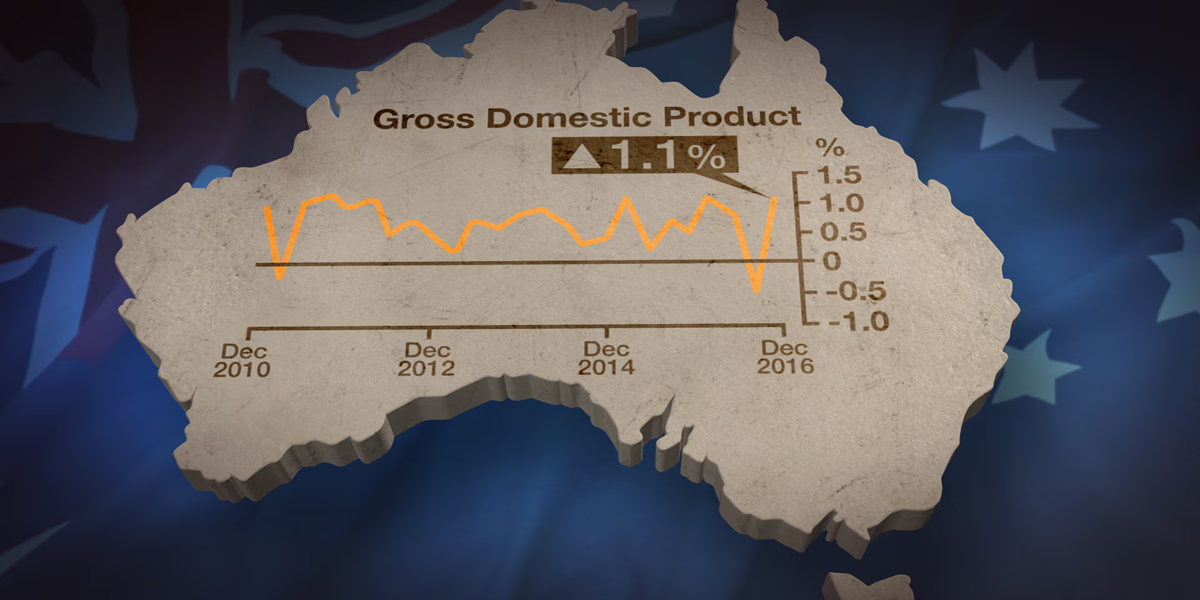
Amidst these political upheavals, Australia's unemployment rate unexpectedly dropped to 4.1% in December, with significant job growth reported. This development may influence the Reserve Bank's decisions regarding interest rates at their upcoming meeting. The increase in employment figures, particularly in full-time positions, indicates a resilient labor market, prompting discussions about economic stability.
However, internal criticisms within the Coalition continue, with Barnaby Joyce labeling the party's processes as "utterly chaotic" and expressing concern over rushed legislative actions. He argued that critical issues, such as hate law legislation, should undergo thorough inquiry rather than expedited consideration.
Wrap-up
The concurrent trials of political dissent in Hong Kong and the internal strife within the Australian government highlight the fragile state of democracy and governance in both regions. As the world watches, the outcomes of these events may have far-reaching implications for political freedoms and stability.
Sources
theguardian.com
@hoju-korean.com Editorial Team






















댓글목록0