













US State Department's Aid Strategy
Nick Checker, the newly appointed head of the US Bureau of African Affairs, sent a controversial email urging staff to remind African governments of the United States' past generosity in humanitarian aid, particularly in combating HIV/AIDS and famine. The email, which was leaked to the media, suggests that the US should adopt a more transactional approach to its relationship with Africa, focusing on trade and investment rather than aid. Checker described Africa as a peripheral concern for US interests, emphasizing the need for strategic economic engagement while downplaying the importance of humanitarian efforts.
Critics, including former senior officials and diplomats, have denounced Checker's comments as offensive and detrimental to US national security. They argue that the withdrawal of lifesaving aid undermines the US's moral standing and could have dire consequences for vulnerable communities across the continent.
Catholic Cardinals Critique Trump Administration
Three prominent cardinals of the US Catholic Church have issued a joint statement criticizing the Trump administration's foreign policy, which they claim threatens to destroy international relations and exacerbate global suffering. They pointed to recent military actions in Venezuela, attempts to acquire Greenland, and cuts to humanitarian aid as evidence of a foreign policy that prioritizes narrow national interests over human dignity and global stability. The cardinals call for a foreign policy grounded in respect for human life and religious liberty, arguing that military action should only be a last resort.
This statement follows previous critiques from the Catholic bishops' conference and Pope Leo XIV, who expressed concerns about a growing reliance on military force in diplomacy. The cardinals' remarks reflect a broader unease within the religious community regarding the administration's approach to global issues.
UK Approves Chinese Embassy Amid Security Concerns
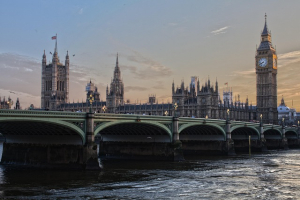
In the UK, the government has approved plans for a large new Chinese embassy near the Tower of London, despite concerns over national security. Communities Secretary Steve Reed stated that security agencies believe the risks associated with the embassy's location can be managed. However, local residents plan to legally challenge the decision, fearing it will become a hub for espionage and intimidation.
The decision has drawn criticism from MPs across the political spectrum, who argue that the size of the embassy poses significant risks. Despite these concerns, the intelligence services have assured the government that they can mitigate potential threats, allowing for ongoing monitoring of the site.
Wrap-up
The recent developments in US foreign policy, the Catholic Church's response, and the UK's approval of a new Chinese embassy highlight the complexities and challenges facing international relations today. As the US grapples with its humanitarian commitments and the implications of a transactional foreign policy, concerns about global stability and human dignity remain at the forefront of discussions among leaders and communities alike.
Sources
theguardian.com
@hoju-korean.com Editorial Team
















댓글목록0