













Colombian Court Sentences Former Paramilitary Leader
A Colombian court has sentenced Salvatore Mancuso, a former paramilitary leader, to 40 years in prison for crimes against Indigenous communities in La Guajira between 2002 and 2006. The special tribunal found Mancuso responsible for 117 crimes, including homicides and forced disappearances. His sentence could be reduced to eight years if he cooperates with truth and reparation initiatives for victims. Mancuso, who was repatriated to Colombia in 2024 after serving time in the US for drug trafficking, was once a commander of the United Self Defense Forces of Colombia (AUC), notorious for its violent tactics against leftist insurgents.
Trial of Men Charged in Killing of Indigenous Leader in Peru
In Peru, five men are set to go on trial for the contract killing of Quinto Inuma Alvarado, a Kichwa tribal leader who opposed illegal logging in the Amazon. Inuma was killed on November 29, 2023, following years of threats against him. Prosecutors are seeking life sentences, marking a potential landmark case for accountability in violence against environmental defenders. The trial is being closely monitored by Indigenous groups and environmental advocates as a measure of Peru’s commitment to protect those who defend their land against illegal activities.
UK Approves Construction of Chinese Embassy Amid Security Concerns
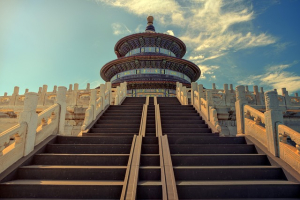
The UK government has approved the construction of a large Chinese embassy in east London, a decision met with opposition from local residents and politicians. Concerns center on potential security risks and the impact on political exiles. Despite these worries, the communities secretary stated that no national security concerns were raised by relevant agencies. Critics argue the embassy could serve as a hub for espionage and intimidation, especially against dissidents. Residents are preparing a legal challenge to the decision, which may delay the project.
Kim Jong-un Tightens Discipline in North Korea
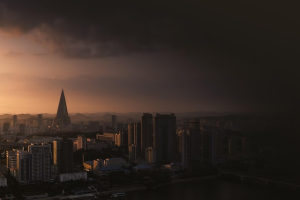
North Korean leader Kim Jong-un has dismissed vice-premier Yang Sung-ho due to failures in a factory modernization project, using the incident to reinforce discipline among officials ahead of a major political conference. Kim criticized Yang for causing “unnecessary man-made confusion” and indicated that the project suffered economic losses due to incompetence. Analysts suggest that Kim’s management style aims to create tension among officials to improve performance. The upcoming Workers’ Party congress is expected to address political and economic priorities, amid ongoing challenges in North Korea’s economy.
Wrap-up
These developments highlight ongoing issues of accountability for violence against Indigenous leaders, geopolitical tensions surrounding diplomatic relations, and internal political dynamics within authoritarian regimes. As global scrutiny increases, the outcomes of these cases and decisions may have significant implications for human rights and international relations.
Sources
theguardian.com
theguardian.com
theguardian.com
theguardian.com
@hoju-korean.com Editorial Team















댓글목록0