













Guinea's Presidential Election
Mamady Doumbouya, the head of Guinea's junta, has been elected president after securing 86.72% of the vote in a recent election, according to the country's electoral commission. The election saw a turnout of 80.95%, but the main opposition leaders were barred from participating, leading to a boycott. Doumbouya's rise to power follows a coup in 2021 that ousted the first democratically elected president, Alpha Condé. Critics, including the National Front for the Defence of the Constitution, have condemned the election as a farce, asserting that many Guineans chose to boycott the vote in protest of the junta's actions.
Escalating Tensions in Yemen
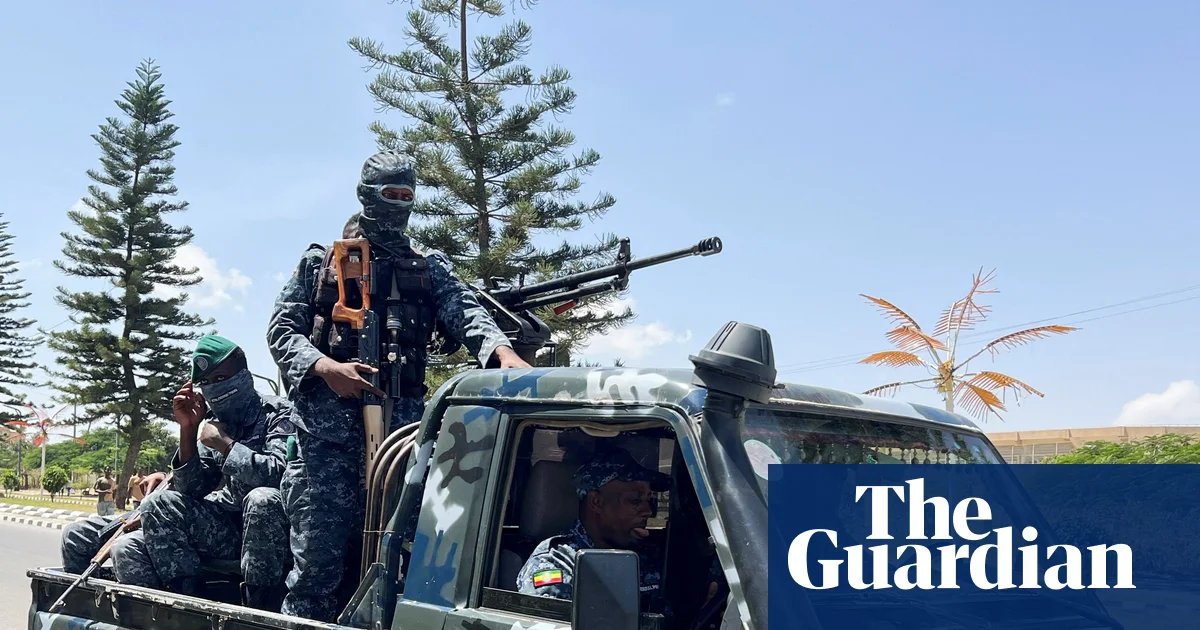
In Yemen, tensions between Saudi Arabia and the United Arab Emirates have reached a critical point over the future of the country and the potential declaration of an independent southern state. The UAE has been supporting the Southern Transitional Council (STC), which has recently expanded its control over southern territories, including strategic oilfields. Saudi Arabia, viewing this as a direct threat to its national security, has taken military action against vehicles associated with the STC. The situation has the potential to ignite a civil war in Yemen and exacerbate regional conflicts, as both nations vie for influence in the area.
US Involvement in Venezuela
The U.S. has ramped up its involvement in Venezuela following the capture of President Maduro. Officials have reportedly warned Diosdado Cabello, a key ally of Maduro, that he could face repercussions if he does not support the acting president, Delcy Rodríguez. The U.S. aims to stabilize the country and ensure access to its vast oil reserves, which are crucial for its energy strategy. Secretary of State Marco Rubio outlined a three-phase plan for Venezuela, emphasizing the need for reconciliation and a transition to a more democratic government. Meanwhile, Trump announced plans to significantly increase the defense budget, citing national security concerns in the region.
Controversy Surrounding ICE Shooting
In Minnesota, a shooting incident involving ICE agents has drawn sharp criticism from local and national leaders. Governor Tim Walz condemned the Department of Homeland Security's justification for the shooting of a 37-year-old woman, asserting that the state will conduct a thorough investigation. Eyewitness accounts challenge the narrative presented by ICE, raising questions about the agency's practices and the broader implications for immigration enforcement in the U.S. The incident has reignited debates over immigration policy and the treatment of individuals by federal agents.
Wrap-up
The developments in Guinea, Venezuela, Yemen, and the U.S. illustrate a complex interplay of political power, economic interests, and social justice issues on the global stage. As military leaders consolidate power and international tensions rise, the outcomes of these situations will have lasting implications for regional stability and global economic dynamics.
Sources
theguardian.com
theguardian.com
theguardian.com
theguardian.com
theguardian.com
@hoju-korean.com Editorial Team



















댓글목록0