











![[Summary News] Escalating Tensions in Yemen and Venezuela, European Responses to US Actions, and Ongoing Protests in Iran](https://pixabay.com/get/ga46155b6affe960ecf028ca90450da89a550b897a847d2271961ac29bb4a913e39554d1f916c3c87d633a89d04479e9516348f73b84a69739b092076dc5ca080_640.jpg)
Yemen Crisis Escalates
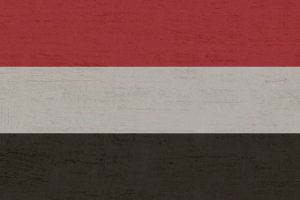
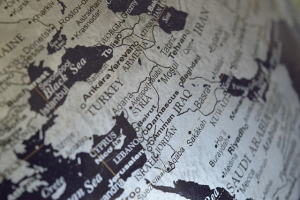
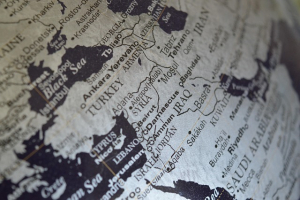
Tensions between Saudi Arabia and the United Arab Emirates (UAE) have reached a critical point over the future of Yemen, particularly concerning the potential declaration of an independent southern state. Saudi Arabia has accused the UAE of threatening its national security, which could lead to a civil conflict within Yemen and impact regional stability. The UAE has supported the Southern Transitional Council (STC), which recently expanded its control over southern Yemen, including key oil-producing areas. This has prompted Saudi Arabia to respond militarily, bombarding vehicles allegedly linked to the STC at the port of Mukalla. Saudi officials have stated that any threat to their national security is unacceptable and will be met with decisive action.
US Military Actions in Venezuela
In a significant turn of events, former President Donald Trump announced that Venezuela would be supplying $2 billion worth of crude oil to the United States. This deal aims to divert supplies from China and alleviate Venezuela's economic crisis. Trump's administration has been accused of attempting to exploit Venezuela's oil reserves following the recent capture of President Nicolás Maduro by US forces, which Venezuelan officials have labeled a kidnapping. The US is demanding that Venezuela open its oil market to American companies, indicating a shift in the country's foreign policy toward greater intervention in Latin America.
European Leaders React to US Actions
The seizure of Maduro has prompted a mixed response from European leaders, who are cautious about endorsing US military actions that may violate international law. While some politicians have welcomed the end of Maduro's regime, they have refrained from openly supporting the methods used. European leaders are also rallying behind Denmark and Greenland in light of US threats to acquire the Arctic territory. A joint statement from UK Prime Minister Keir Starmer, French President Emmanuel Macron, and German Chancellor Friedrich Merz emphasized that Greenland belongs to its people and should not be subject to US military intervention.
Iran Faces Widespread Protests
In Iran, protests have erupted against the government amid a worsening economic situation characterized by soaring inflation and a plummeting currency. Iranian security forces clashed with demonstrators in Tehran's grand bazaar, resulting in at least 35 deaths and over 1,200 arrests. The protests, which have spread to 88 cities, began in response to rising prices and economic hardship. President Masoud Pezeshkian acknowledged the government's limited ability to address these issues, attributing the economic crisis to international sanctions. The government has promised to investigate security forces' violence against protesters, as international criticism mounts regarding the government's handling of the situation.
Wrap-up
The geopolitical landscape is shifting as tensions rise in Yemen, US military actions in Venezuela provoke international scrutiny, and protests in Iran highlight domestic discontent. European leaders are navigating a complex diplomatic environment as they respond to US policies regarding Greenland and the broader implications for international law and regional stability.
Sources
theguardian.com
@hoju-korean.com Editorial Team


















댓글목록0