













Yemen's Political Crisis
The United Arab Emirates and Saudi Arabia are experiencing heightened tensions over Yemen, where the prospect of an independent southern state threatens to ignite civil war. Saudi Arabia has accused the UAE of undermining its security by supporting the Southern Transitional Council (STC), which has recently expanded its control over southern territories. The STC's actions have prompted Saudi airstrikes against vehicles allegedly linked to the UAE. Saudi officials have emphasized that any threats to their national security are unacceptable and will be met with decisive action.
The UAE's involvement in Yemen dates back several years, as it has supported the STC in its quest for greater autonomy. The STC's recent military maneuvers, particularly in Hadramaut, have raised alarms in Riyadh, which has historically viewed Yemen as within its sphere of influence. The ongoing conflict could also have repercussions in Sudan and the Horn of Africa, where both nations often support opposing factions.
Venezuela's Armed Response
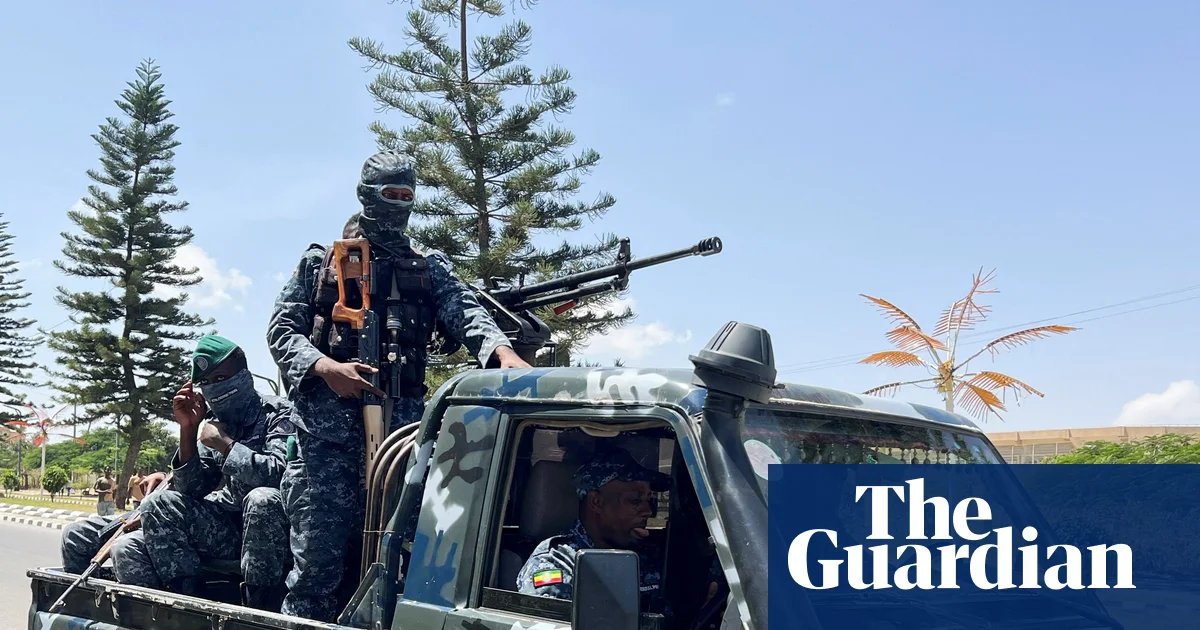
In Venezuela, the government has deployed armed militias known as colectivos to maintain order following the US military operation that resulted in the capture of Maduro. These paramilitary groups are patrolling streets, conducting checkpoints, and checking citizens' phones for dissenting views. The regime's show of force aims to quell any potential backlash against its authority after the dramatic events of the weekend, which have left the government shaken.
Despite the presence of armed groups, many residents in Caracas are returning to their daily routines, though a palpable sense of fear and uncertainty remains. The interim president, Delcy Rodríguez, is attempting to project stability amidst the chaos, while the government grapples with the potential for further US intervention and the threat of internal dissent.
US Oil Interests and Political Fallout
As tensions rise in Venezuela, US Senator Ed Markey is demanding transparency from major oil companies regarding their knowledge of the US's plans for regime change in the country. Markey's inquiries are directed at Chevron, ExxonMobil, and ConocoPhillips, seeking information on any communications with the Trump administration about military operations. President Trump has indicated a desire to increase oil extraction from Venezuela, which holds the world's largest oil reserves, despite the country's production levels having plummeted in recent decades.
Trump's comments regarding Maduro, including accusations of imitating his dance moves, reflect a broader strategy to undermine the former leader's authority. The White House's actions have drawn criticism and raised questions about the motivations behind US involvement in Venezuela's political landscape.
Wrap-up
The situations in Yemen and Venezuela illustrate the complexities of international politics, where regional power struggles and the interests of major global players intersect. As both nations face internal and external pressures, the potential for further conflict remains high, with significant implications for their respective populations and the broader geopolitical landscape.
Sources
theguardian.com
newsis.com
politico.com
@hoju-korean.com Editorial Team















댓글목록0