













US Response to Maduro's Capture
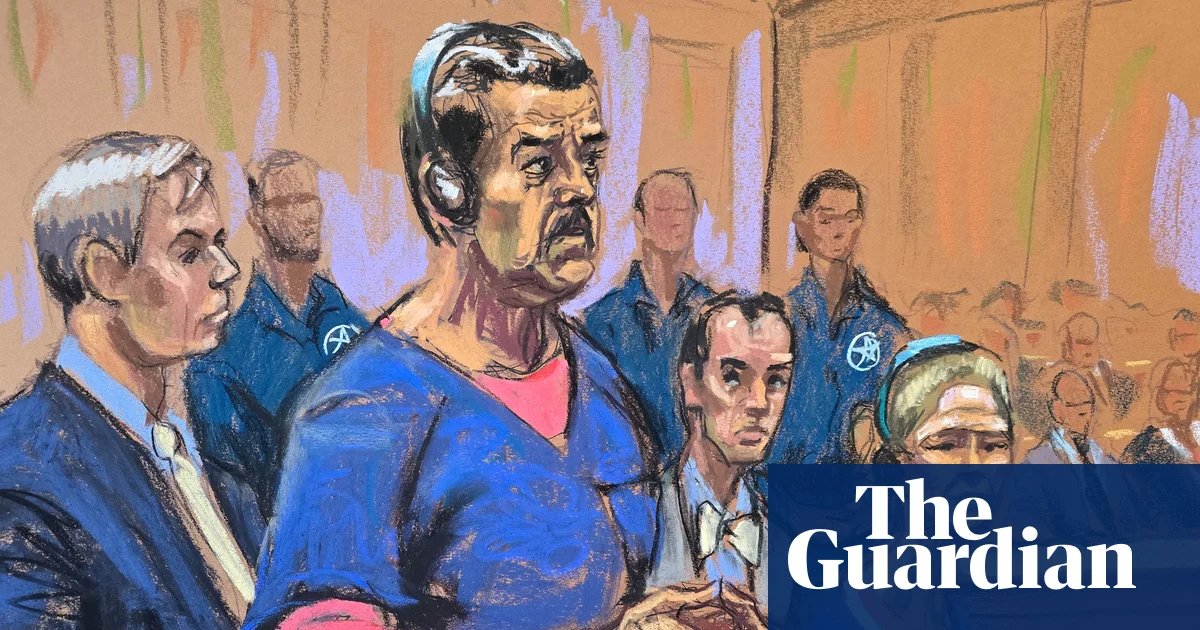
Donald Trump announced that the US would assume a controlling role in Venezuela following Maduro's abduction on Saturday. In a warning directed at interim president Delcy Rodríguez, Trump stated that failure to comply with US demands would result in severe repercussions. The US maintains a 15,000-strong force in the Caribbean, indicating a readiness for further military action if necessary. This intervention has raised concerns about the potential for extended conflict in the region.
Rodríguez, who publicly condemned Maduro's capture as an "atrocity," has been identified by US officials as a potential successor due to her connections with Wall Street and oil companies. In private discussions, she reportedly expressed her willingness to cooperate with US requests. Meanwhile, Venezuelan military leaders have called for a return to normalcy and pledged support for Rodríguez as the country grapples with the aftermath of Maduro's removal.
Protests Against Military Intervention
In response to the US military action, protests erupted in cities including New York, Chicago, and San Francisco over the weekend. Demonstrators expressed their opposition to what they view as an unlawful military intervention, arguing that the people of Venezuela will bear the brunt of the consequences. Activists criticized Trump's unilateral decision to act without congressional approval, highlighting concerns about the violation of international law.
Andy Thayer, a protest organizer in Chicago, emphasized the historical pattern of US military interventions leading to suffering for the affected populations. Activists also voiced concerns about the deportation of Venezuelans living in the US, calling for an end to actions that destabilize their home country while simultaneously forcing them to return.
Changes to Immigration Status
Kristi Noem, the US Homeland Security Secretary, announced that Venezuelans currently under Temporary Protected Status (TPS) would have the opportunity to apply for refugee status. This decision follows the revocation of TPS for over 250,000 Venezuelans living in the US, which has left many in legal limbo. Florida is home to a significant number of these individuals, many of whom are now engaged in legal battles to remain in the country.
Noem's comments reflect a broader policy shift aimed at addressing the realities of the ongoing crisis in Venezuela. Democratic leaders, including Miami's Mayor Elaine Higgins, have called for the restoration of TPS, arguing that returning Venezuelans to their home country is unsafe given the current instability.
Wrap-up
The unfolding situation in Venezuela remains volatile as the US government navigates its response to Maduro's capture and the subsequent leadership transition. Protests against military intervention highlight the division within the US regarding foreign policy and humanitarian considerations. As the situation develops, the international community watches closely, aware of the potential implications for both Venezuela and US foreign relations.
Sources
theguardian.com
@hoju-korean.com Editorial Team












댓글목록0