












Background of the Case
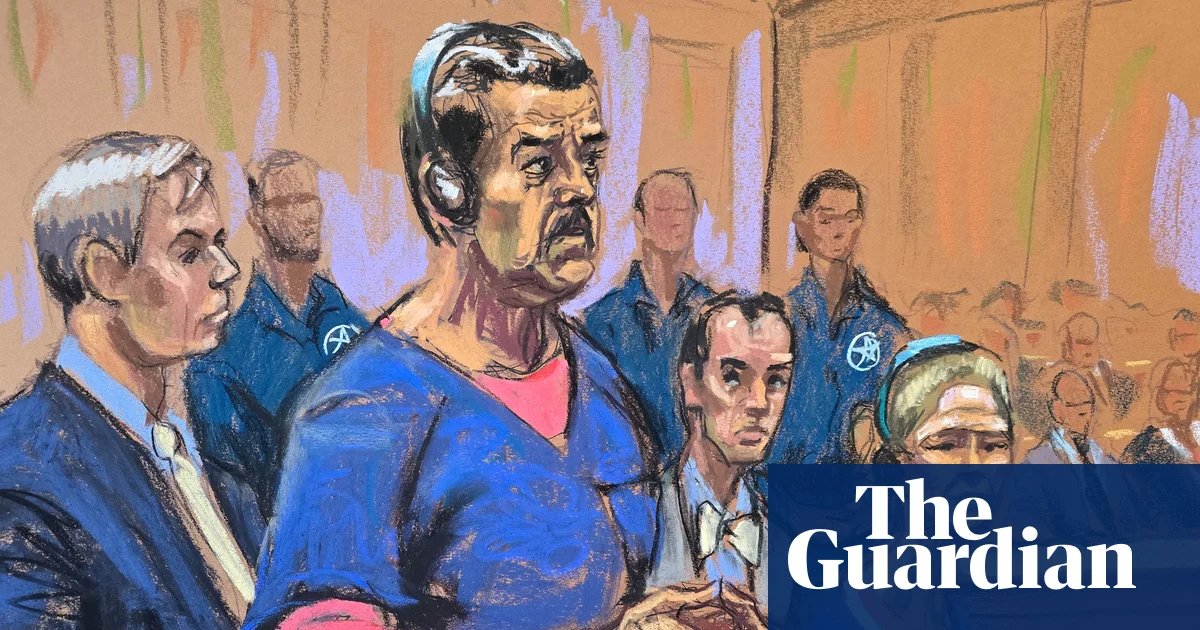
On Monday, in the West Kowloon district court, Lai was convicted on one count of conspiracy to publish seditious publications and two counts of conspiracy to foreign collusion. These charges stem from the city’s national security law implemented in 2020, as well as a colonial-era sedition law. Lai has been in jail since late 2020 and has served nearly ten years for various protest-related offenses. The trial, which lasted over two years, has been marked by delays and controversies, culminating in a verdict that many critics describe as a sham.
International Reactions
Yvette Cooper, the UK foreign secretary, publicly denounced the conviction, stating that it was a politically motivated prosecution aimed at silencing Lai for exercising his right to free expression. Cooper called for Lai’s immediate release, emphasizing that the case should be a focal point in UK-China relations. British Prime Minister Keir Starmer has also expressed his intent to raise the issue directly with Chinese President Xi Jinping during an upcoming visit to Beijing.
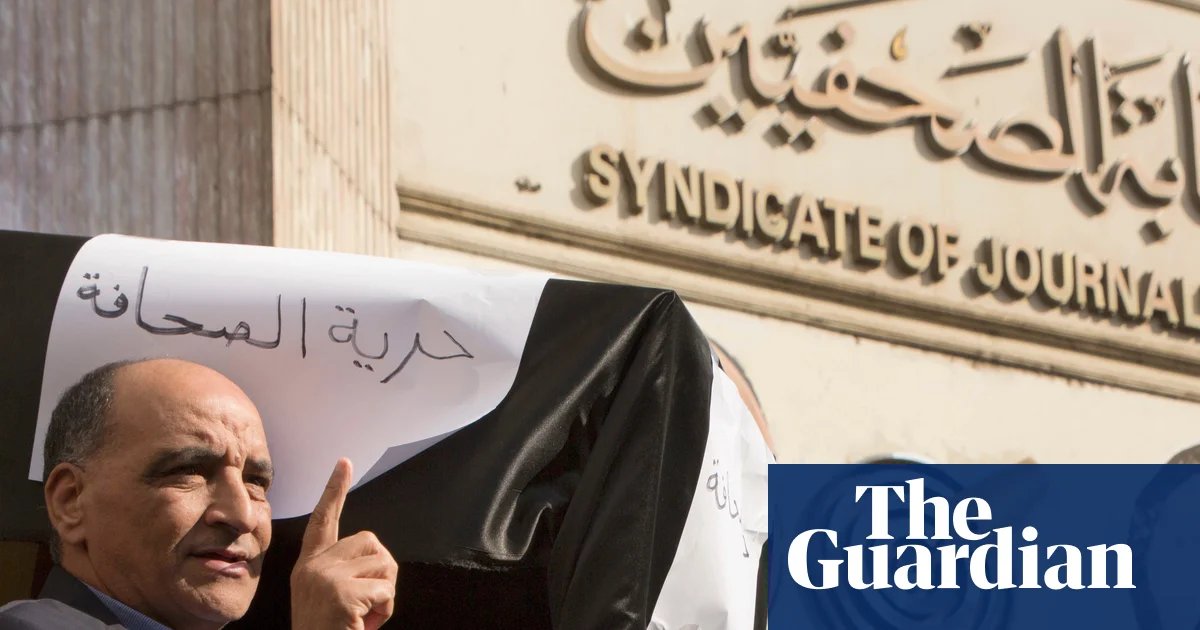
Human rights organizations have echoed these sentiments. Sarah Brooks, Amnesty International's China director, remarked that the verdict signals a dangerous decline in press freedom in Hong Kong. The Committee to Protect Journalists described the ruling as a disgraceful act of persecution against a figure who has become a symbol of resistance against oppression.
Trial Highlights
During the trial, prosecutors accused Lai of using his media outlet, Apple Daily, to lobby for foreign sanctions against Chinese and Hong Kong authorities. Despite pleading not guilty, the judges characterized him as a “mastermind” intent on destabilizing the Chinese government. The court's judgment, which spanned 855 pages, asserted that Lai never wavered in his intentions, even after the enactment of the national security law.
Supporters and family members filled the courtroom to witness the verdict, reflecting the significant public interest in the case. Lai's son, Sebastien, expressed that while the verdict was anticipated, it was still a painful moment for the family, symbolizing a drastic change in Hong Kong's political landscape.
Future Implications
The next court date for Lai is set for January 12, where he may have the opportunity to appeal the conviction. Meanwhile, the ruling has been praised by Hong Kong officials, including Chief Executive John Lee, who described the judges as professional. In contrast, rights advocates continue to warn that this conviction represents a broader trend of diminishing freedoms in Hong Kong, with severe implications for journalists and activists.
Wrap-up
Jimmy Lai's conviction has ignited a global outcry against what many perceive as a systematic erosion of press freedoms in Hong Kong. The UK's strong condemnation and calls for Lai's release underscore the international community's growing concern over human rights in the region. As tensions between the UK and China persist, Lai's case may become a pivotal issue in diplomatic discussions.
Sources
theguardian.com
@hoju-korean.com Editorial Team





















댓글목록0