













Chilean Presidential Runoff
José Antonio Kast, a 59-year-old former congressman with strong ties to far-right ideologies, is expected to secure victory against Jeannette Jara, a former labor minister backed by the current center-left administration. Kast's campaign has focused on expelling undocumented migrants and has drawn comparisons to Donald Trump's policies in the United States. Despite Jara's lead in the first round of voting, where she received 26.9% compared to Kast's 23.9%, recent trends and polling suggest that Kast will likely emerge as the winner.
The election is notable for reinstating compulsory voting, which has not been in effect for over a decade. Political analysts warn that this could lead to unpredictable outcomes, as many of the newly engaged voters may have different motivations. Some analysts suggest that votes from economist Franco Parisi, who finished third with 20% of the vote, may not easily transfer to either candidate, complicating the runoff dynamics.
Kast's rise is attributed to growing public concerns over security and migration, particularly as the immigrant population in Chile has surged, with many fleeing economic turmoil in Venezuela. Political scientist Claudia Heiss highlighted a prevailing climate of fear linked to new crime patterns, which Kast has capitalized on in his campaign.
Hong Kong's Democratic Party Disbands
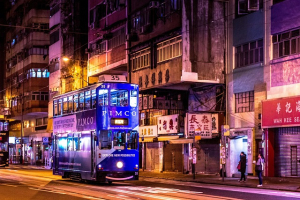
In a separate yet equally significant political development, Hong Kong's Democratic Party has disbanded after a vote among its members, following years of escalating pressure from the Chinese government. The party, which has been a prominent opposition force since its establishment in 1994, faced increasing repression after the introduction of a national security law aimed at curbing dissent following the 2019 pro-democracy protests.
During an extraordinary general meeting, 117 members voted in favor of disbanding the party, with only four abstentions. Chair Lo Kin-hei expressed the party's commitment to the people of Hong Kong, lamenting the loss of a significant political voice in the city. The decision to dissolve follows reports of intimidation from Chinese officials, urging party members to disband or face potential arrest.
Former party chair Emily Lau voiced her sorrow over the disbandment, questioning the necessity of such an outcome for an organization that has historically fought for democratic reforms. The disbanding of the Democratic Party comes just days after a "patriots only" legislative council election, which further marginalized opposition voices in Hong Kong.
Wrap-up
The political landscapes in both Chile and Hong Kong are undergoing dramatic transformations, reflecting broader global trends toward authoritarianism and the suppression of dissent. As Chileans prepare to vote in a potentially historic presidential runoff, Hong Kong's opposition faces an uncertain future, with the disbandment of the Democratic Party symbolizing the diminishing space for democratic expression in the city.
Sources
theguardian.com
@hoju-korean.com Editorial Team























댓글목록0