







![[Summary News] European Human Rights Debate, EU's Russian Asset Freeze, and Political Unrest in Italy and Iran](https://pixabay.com/get/g83b6c4eeeddb2980ac939f45819efea23a4a374035e7396886020ae7fad1b8dd5902e88d6d2db7dd3b27e3dadb632ed026ef8cdbd25116937cf2536a14cef3ef_640.jpg)
European Human Rights Debate
The ongoing debate surrounding the European Convention on Human Rights escalated this week as 27 European nations urged a reconsideration of its role in migration policy. This call follows a letter from nine EU states, including Denmark and Poland, asserting that the convention hinders their sovereignty and ability to manage immigration effectively. Critics, including Amnesty International, have labeled this a "moral retreat," warning that it risks creating a hierarchy of individuals deemed more deserving of protection. Michael O’Flaherty, the Council of Europe’s commissioner for human rights, criticized the misleading narratives linking migration to crime, stating that such claims misrepresent reality and incite public fear.
EU's Russian Asset Freeze
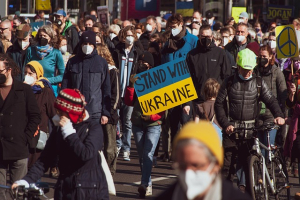
In a significant financial maneuver, the European Union has agreed to indefinitely freeze €210 billion of Russian sovereign assets within its jurisdiction. This decision aims to utilize these funds to bolster Ukraine's defense against Russian aggression. European Council President António Costa confirmed that this action aligns with a commitment to maintain pressure on Russia until it ceases hostilities and compensates Ukraine for damages. The move comes amid legal actions from the Russian central bank against Euroclear, which manages these immobilized assets, complicating the situation further.
Political Unrest in Italy
Italy's political landscape is under scrutiny as Prime Minister Giorgia Meloni's far-right party, Brothers of Italy, hosted the Atreju festival, which has become a platform for controversial political expressions. The festival featured a "bullyometer" that rated negative comments aimed at Meloni, highlighting the antagonistic atmosphere towards dissent. Critics of the government, including trade union leaders and cultural figures, have faced backlash, reflecting the increasingly polarized political climate in Italy. The event drew both supporters and detractors, showcasing the tensions surrounding Meloni's administration.
Narges Mohammadi's Arrest in Iran
Narges Mohammadi, the 2023 Nobel Peace Prize winner, was arrested by Iranian security forces during a memorial for a fellow human rights lawyer in Mashhad. Her detention, which follows her vocal criticism of the Iranian government, has sparked fears for her safety and well-being. Witnesses reported that security forces used teargas to disperse attendees, raising alarms about the ongoing repression of dissent in Iran. Mohammadi's family and supporters are concerned about her health, particularly given her recent medical history, and have condemned the arrest as part of a broader crackdown on human rights activism in the country.
Wrap-up
The developments in Europe regarding human rights, financial sanctions against Russia, and the political climate in Italy and Iran reflect a complex interplay of governance, international relations, and social justice. The calls for a re-evaluation of human rights laws in Europe may reshape the continent's approach to migration, while the indefinite freeze on Russian assets signals a firm stance against aggression. In Italy, the far-right's rise continues to provoke debate, and in Iran, the arrest of a prominent human rights figure underscores the ongoing struggle for freedom and expression.
Sources
theguardian.com
@hoju-korean.com Editorial Team











댓글목록0