













US Sanctions Lifted on Brazilian Judge
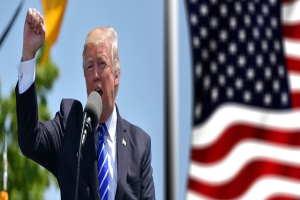
The US Department of the Treasury has lifted sanctions on Brazilian Supreme Court Justice Alexandre de Moraes, who oversaw the conviction of former President Jair Bolsonaro. Moraes had been under Global Magnitsky sanctions since July, which target individuals accused of human rights abuses. His wife, Viviane Barci de Moraes, was also removed from the sanctions list. Brazilian President Luiz Inácio Lula da Silva had requested this move in negotiations with former President Donald Trump, who had imposed the sanctions as part of a broader strategy against Bolsonaro. The lifting of the sanctions marks a significant setback for Bolsonaro, who is currently serving a 27-year prison sentence for attempting to overturn Brazil's 2022 election results.
Colombia's ELN Guerrilla Group Issues Warning
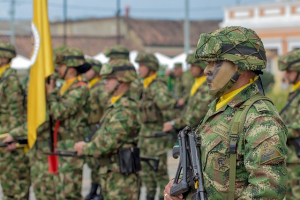
In Colombia, the National Liberation Army (ELN) has ordered civilians in its controlled areas to remain indoors for three days starting Sunday, coinciding with military exercises in response to perceived threats from the United States. Trump had previously stated that any country producing cocaine for the US could face military action. The ELN, which controls significant drug-producing regions, aims to defend its territory against what it calls "imperialist intervention." The group, with approximately 5,800 combatants, has been involved in failed peace negotiations and has intensified its attacks in recent months.
Ceasefire Renewed Between Thailand and Cambodia
In Southeast Asia, tensions have flared between Thailand and Cambodia, leading to renewed clashes despite a ceasefire brokered by the US. Trump announced that leaders from both nations agreed to cease hostilities after days of violent confrontations. The conflict stems from historical territorial disputes, with both nations accusing each other of military aggression. While the ceasefire aims to restore peace, minor skirmishes continue, exacerbating the already fragile relationship between the two countries.
Environmental Crisis Threatens Tapanuli Orangutans
In Indonesia, catastrophic flooding in North Sumatra has been described as an "extinction-level disturbance" for the Tapanuli orangutan, the world's rarest great ape. Scientists estimate that between 33 and 54 of these critically endangered orangutans were killed due to the floods, which followed unprecedented rainfall. The population, already dwindling to fewer than 800 individuals, faces dire consequences as their habitat is devastated. Experts warn that even a slight annual loss could lead to extinction, and the recent flooding has resulted in a demographic shock that could be catastrophic for the species.
Wrap-up
As international tensions escalate with military threats and environmental disasters, the interconnectedness of political, social, and ecological issues becomes increasingly evident. The lifting of sanctions in Brazil contrasts sharply with military conflicts in Colombia and Southeast Asia, while the plight of the Tapanuli orangutan underscores the urgent need for environmental protection amid human crises.
Sources
theguardian.com
@hoju-korean.com Editorial Team
























댓글목록0