










![[Summary News] Global Political Developments: Nobel Ceremony, Elections in Ukraine, and Humanitarian Crisis in Gaza](https://pixabay.com/get/gc69382df2fa215bdd2947288a7dfe381caa7fdf7c0707c9141c0ac5f74e41b5e3043eefa0cf26f6e6d391f9f8491edea072b910b8c7c0b685d9a2eab4f609007_640.jpg)
Venezuelan Nobel Prize Ceremony
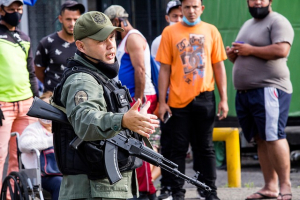
María Corina Machado, awarded the Nobel Peace Prize for her efforts to promote democracy in Venezuela, will not attend the ceremony in Oslo, Norway. Instead, her daughter, Ana Corina Machado, will accept the award on her behalf. Machado has been in hiding since August 2022 due to threats from the Maduro government, which has labeled her a fugitive. The Nobel Institute confirmed that Machado's absence was due to fears for her safety, as leaving Venezuela could lead to her arrest. The ceremony coincides with heightened US military activity in the Caribbean, which Maduro claims aims to destabilize his government and control Venezuela's oil resources.
Zelenskyy's Election Readiness Amid External Pressure
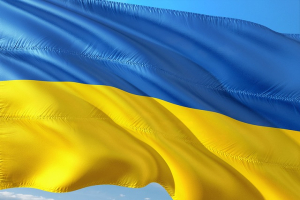
President Volodymyr Zelenskyy stated he is prepared to hold elections in Ukraine within the next 60 to 90 days, contingent on parliamentary approval and support from foreign allies. This announcement comes after Trump questioned Ukraine's democratic processes, suggesting Zelenskyy was clinging to power. Zelenskyy emphasized that the decision to hold elections should be made by Ukrainians, not foreign leaders. However, the constitution prohibits elections during wartime, and logistical challenges regarding voting for displaced citizens remain. Zelenskyy has called for international assistance to secure the election process.
UK Prime Minister's Call for Human Rights Reform
UK Prime Minister Keir Starmer urged European leaders to amend the European Convention on Human Rights (ECHR) to allow for stricter immigration controls in response to rising far-right sentiments. Starmer's proposal aims to prevent asylum seekers from using human rights laws to avoid deportation. Critics, including human rights activists and some members of Parliament, argue that such changes could undermine protections for vulnerable populations. Starmer and Danish Prime Minister Mette Frederiksen emphasized the need for a united front against divisive politics while maintaining compassion and legality in immigration policies.
Humanitarian Crisis in Gaza
The United Nations reported that over 9,000 children in Gaza were hospitalized for acute malnutrition in October, highlighting the ongoing humanitarian crisis despite a ceasefire. While aid shipments have increased since the ceasefire, they remain inadequate to meet the needs of the population, with only 140 trucks entering Gaza daily compared to the target of 600. UNICEF officials expressed concern over the long-term effects of malnutrition on newborns and pregnant women. The Israeli military retains control over aid deliveries, further complicating the humanitarian response.
Syria's Diplomatic Landscape
Since taking office in January 2025, Syrian President Ahmed al-Sharaa has engaged in extensive diplomatic efforts, seeking to leverage international goodwill to stabilize Syria. His administration has received significant investment pledges from Gulf nations, contingent on internal reconciliation and the reduction of extremist threats. Sharaa's interactions with international leaders, including Donald Trump, have raised hopes for lifting sanctions and revitalizing the Syrian economy. However, the success of these diplomatic efforts will depend on Sharaa's ability to translate goodwill into tangible benefits for the Syrian populace.
Wrap-up
The international landscape remains fraught with challenges as political leaders navigate complex issues ranging from human rights and humanitarian crises to electoral integrity. The situations in Venezuela, Ukraine, Gaza, and Syria exemplify the intricate interplay of domestic and international pressures shaping global politics today.
Sources: theguardian.com
@hoju-korean.com Editorial Team














댓글목록0