











DRC Conflict Intensifies
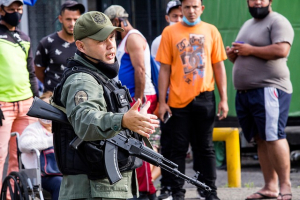
The United Nations reported that at least 74 people, primarily civilians, have died in the recent clashes in eastern DRC. The M23 rebels are advancing towards the strategic town of Uvira, leading to chaos and displacement. Local officials confirmed that fighting has intensified, particularly after the rebels captured the town of Luvungi. Despite their aggressive maneuvers, M23's leader has expressed a commitment to peace talks facilitated by Qatar, emphasizing the need for negotiations to resolve the ongoing crisis. The U.S. State Department has expressed concern over Rwanda's alleged support for the rebels and called for measures to prevent further escalation.
Honduras Accuses U.S. of Election Interference
In Honduras, President Castro has condemned what she describes as U.S. interference in the presidential election results. Following the vote on November 30, the counting process has faced numerous disruptions, with right-wing candidate Nasry Asfura leading against Salvador Nasralla by a narrow margin. Castro criticized former President Trump for his support of Asfura and for pardoning former President Juan Orlando Hernández, who has faced serious drug trafficking allegations. The ongoing situation has raised questions about the integrity of the electoral process and the sovereignty of Honduras.
Australia's Energy Transition
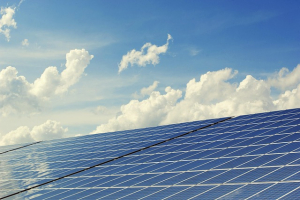
The Australian Energy Market Operator (Aemo) has released a draft plan indicating that the capacity of the national electricity grid must triple by 2050 to accommodate increasing electricity demands, driven by a transition to renewable energy sources. Aemo's report highlights the necessity for a fivefold increase in large-scale wind and solar energy, projecting that total electricity consumption will nearly double. The estimated cost of infrastructure development could reach $128 billion, with a significant portion of the existing coal-fired power capacity expected to close in the coming decade. The report underscores the urgency of transitioning to renewables to meet the government's 2030 targets.
Wrap-up
As conflicts escalate in the DRC and Honduras, and Australia grapples with its energy future, the global landscape is marked by significant political and environmental challenges. The interplay between local governance, international relations, and sustainable development continues to shape the experiences of millions worldwide.
Sources
theguardian.com
@hoju-korean.com Editorial Team














댓글목록0