













Nvidia's Chip Sales Approved
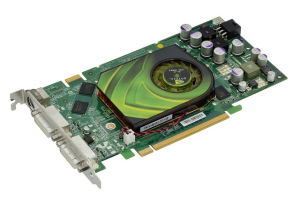
On a recent post on Truth Social, Trump announced that the United States would permit Nvidia to ship its H200 products to approved customers in China, stating that this arrangement would maintain strong national security. The approval marks a reversal from previous restrictions that barred the sale of Nvidia's most advanced chips to China due to concerns over their potential use in surveillance and military applications. Trump indicated that the Department of Commerce is finalizing the details of this arrangement and hinted at similar offers for other chip manufacturers, including AMD and Intel.
Financial Terms and National Security Concerns
Under the new agreement, the U.S. government will receive 25% of the proceeds from these chip sales, an increase from the previous 15% deal. This arrangement has raised eyebrows among lawmakers, with some questioning its legality and implications for national security. Democratic senators Elizabeth Warren and Andy Kim have expressed their concerns, urging the Commerce Department to reconsider the sale of these chips to China, arguing that it could bolster the country's surveillance and military capabilities. Warren has called for Huang to testify before Congress regarding these sales.
Huang's Relationship with the Trump Administration
Jensen Huang has maintained a close relationship with the Trump administration, having attended several White House events and met with Trump multiple times. His commitment to invest $500 billion in AI infrastructure in the U.S. over the next four years underscores his influence within the industry. However, his efforts to engage with Chinese officials have been met with mixed responses, particularly as China has imposed its own restrictions on Nvidia chips, citing national security and a desire to bolster domestic chip production.
Impact on U.S.-China Relations
The approval for Nvidia to sell its H200 chips to China could have broader implications for U.S.-China relations, particularly in the tech sector. As both nations grapple with their own national security concerns, the dynamics of trade and technology continue to shift. The ongoing negotiations and sales could influence future policies and partnerships between the two countries, especially in the rapidly evolving field of artificial intelligence.
Wrap-up
The decision to allow Nvidia to sell advanced AI chips to China reflects the complex interplay between business interests and national security concerns. As the tech industry navigates these challenges, the outcomes of these sales could shape the future of international relations in the technology sector.
Sources
theguardian.com
@hoju-korean.com Editorial Team

























댓글목록0