













Thailand's Airstrikes Amid Border Clashes
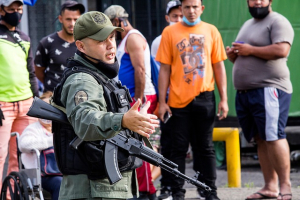
On Monday, Thailand's military confirmed it had launched airstrikes against military targets in Cambodia after accusing Cambodian forces of breaching a ceasefire agreement brokered by former U.S. President Donald Trump. The conflict escalated after a Thai soldier was killed and four others injured during skirmishes along the border. In response, Thailand ordered the evacuation of villages across four provinces, with approximately 35,000 people now in shelters. Cambodia's defense ministry reported that its troops were attacked first, but former Prime Minister Hun Sen urged restraint, cautioning against retaliation that could escalate the conflict further.
Japan's Response to Chinese Military Provocations
In a separate incident, Japan's Prime Minister Sanae Takaichi has pledged a "calm and resolute" response to Chinese military aircraft allegedly locking radar onto Japanese fighter jets over the weekend near Okinawa. The Japanese Defense Ministry reported that two incidents occurred involving Chinese J-15 fighters from the carrier Liaoning. Takaichi emphasized the need to strengthen surveillance of airspace and maritime areas amid rising tensions. China's navy dismissed Japan's claims as inaccurate and accused Japan of endangering flight safety. This incident follows a period of heightened tensions between the two nations, particularly regarding Taiwan.
UN Report Highlights Māori Rights Concerns in New Zealand
A recent United Nations report has critically assessed New Zealand's treatment of Māori rights, warning that government policies may undermine progress in racial equality. The UN Committee for the Elimination of Racial Discrimination expressed serious concerns over the disestablishment of the Māori Health Authority and budget cuts to Māori services. Prominent Māori leader Lady Tureiti Moxon described the report as unprecedented and emphasized that New Zealand is regressing on issues of racial equality. The committee called for concrete measures to protect Māori rights and address systemic discrimination, highlighting the need for government accountability in implementing its recommendations.
Wrap-up
The situation in Southeast Asia remains precarious as Thailand and Cambodia engage in military actions, while Japan braces for potential conflict with China. Meanwhile, New Zealand faces scrutiny from international bodies over its treatment of Indigenous rights, raising important questions about racial equality and governmental responsibility. These developments reflect ongoing geopolitical tensions and the critical need for dialogue and resolution in addressing both international disputes and domestic inequalities.
Sources: theguardian.com
@hoju-korean.com Editorial Team




















댓글목록0