











Censorship Allegations in UK Foreign Office
A whistleblower has claimed that the UK Foreign, Commonwealth and Development Office (FCDO) removed references to "genocide" from a risk assessment concerning Sudan, following the outbreak of civil war in April 2023. The analyst, who wishes to remain anonymous, indicated that this decision was potentially made to shield the United Arab Emirates (UAE), a key UK ally accused of supporting the paramilitary Rapid Support Forces (RSF) responsible for widespread violence. The analyst stated, "The word genocide was removed from our report. Anyone who has studied Sudan knew genocide was a risk." The UK is currently the UN Security Council's "penholder" on Sudan, which adds to the gravity of the situation.
The implications of this censorship are profound, as genocide is defined under international law as the intent to destroy a particular group, a classification that carries significant moral and legal weight. The whistleblower's allegations suggest a troubling pattern of prioritizing political relationships over humanitarian concerns, with parallels drawn to the UK's handling of atrocities in other conflict zones.
Destructive Floods in Asia
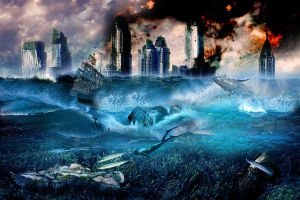
In a separate but equally alarming situation, Asia is grappling with catastrophic flooding and landslides, which have resulted in at least 1,200 deaths in the past week. The torrential rains, attributed to a combination of cyclones and a heavy monsoon season, have displaced over a million people. The Intergovernmental Panel on Climate Change (IPCC) warns that climate change is intensifying rainfall and flood frequency in South and Southeast Asia, with scientists noting that storms are now wetter and more destructive.
Roxy Koll, a climate scientist, explained that the changing behavior of cyclones is linked to global warming, stating, "Water, not wind, is now the main driver of disaster." The combination of warmer ocean temperatures and increased moisture in the atmosphere has led to storms that overwhelm rivers and destabilize slopes, resulting in widespread devastation.
Impact on Vulnerable Communities
The floods have particularly affected vulnerable communities living in fragile environments, where landslides and flash floods have destroyed homes and infrastructure. In Indonesia, deforestation has worsened the situation, as the absence of trees has reduced the land's ability to absorb water. The local attorney general's office is investigating whether illegal logging and other activities contributed to the disaster.
Rescue efforts have been severely hampered by the flooding, which has disrupted electricity and communication networks. As the situation continues to evolve, the humanitarian needs in both Sudan and Asia are becoming increasingly urgent.
Wrap-up
The allegations of censorship within the UK Foreign Office regarding genocide warnings in Sudan highlight serious concerns about the government's commitment to humanitarian principles. Simultaneously, the devastating floods in Asia underscore the urgent need to address climate change and its impacts on vulnerable populations. Both crises demand immediate attention and action from the international community.
Sources
theguardian.com
theguardian.com
@hoju-korean.com Editorial Team













댓글목록0