











US Military Strikes and Controversy
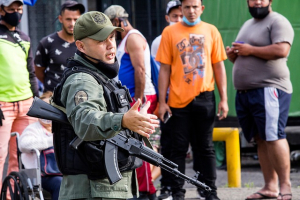
On September 2, a US Navy commander ordered airstrikes on a Venezuelan drug boat, resulting in allegations that Defense Secretary Pete Hegseth had called for the killing of all survivors. The White House clarified that while Hegseth authorized the strikes, he did not instruct to eliminate all personnel on board. White House Press Secretary Karoline Leavitt defended the actions, asserting they complied with international law. The Pentagon has conducted at least 21 airstrikes in the Caribbean since September, targeting drug trafficking operations and reportedly resulting in over 80 fatalities.
Trump's Ultimatum to Maduro
In a recent escalation of rhetoric, President Donald Trump issued an ultimatum to Nicolás Maduro, demanding his departure from Venezuela. This marks a shift from previous diplomatic overtures made by Trump's envoy, Richard Grenell, who had sought to negotiate a compromise. Observers note that Trump's aggressive stance may be influenced by hardliners within his administration, particularly Marco Rubio, who has long advocated for a tough approach towards Maduro. The administration's potential plans for a "decapitation strike" against Maduro raise concerns about a broader conflict in the region.
Radar Installation in Trinidad and Tobago
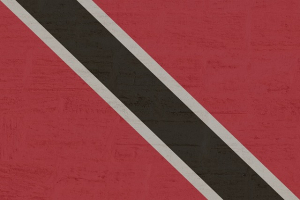
Trinidad and Tobago's Prime Minister Kamla Persad-Bissessar confirmed the installation of a US military radar system, which has raised alarms about the Caribbean's involvement in US military operations against Venezuela. Initially downplaying the presence of US marines in the country, Persad-Bissessar later acknowledged their deployment alongside the radar, which is intended for air surveillance. Despite her claims that the installation is part of a counter-drug strategy, opposition leaders accuse the government of compromising national sovereignty and aligning with US military agendas.
Regional Reactions and Concerns
The political landscape in Trinidad and Tobago is fraught with tension as opposition figures criticize the government's actions. Marvin Gonzales, a former national security minister, condemned the administration for misleading the public, while David Abdulah, a political leader, accused the government of complicity in extrajudicial killings linked to US operations. Analysts warn that the military buildup could draw the Caribbean back into Cold War dynamics, exacerbating regional instability.
Wrap-up
The unfolding situation highlights a precarious intersection of military strategy, international relations, and domestic politics as the US ramps up its operations in the Caribbean. With ongoing airstrikes and military installations, the potential for conflict with Venezuela looms large, raising serious questions about the implications for regional security and sovereignty.
Sources
theguardian.com
@hoju-korean.com Editorial Team














댓글목록0