










Aid Cuts Affecting HIV/AIDS Care
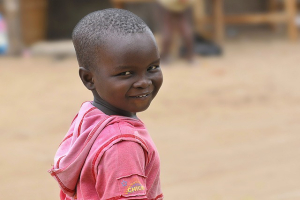
In Mozambique, a teenage rape victim arrived at a health clinic only to find it closed, highlighting the severe impact of aid cuts on HIV/AIDS services in sub-Saharan Africa. Reports indicate that the Trump administration's abrupt reduction in overseas aid funding has led to a 30% to 40% decrease in external health assistance compared to 2023. Countries like the UK have also announced funding cuts, leading to a rise in undiagnosed HIV cases and increased AIDS-related deaths for the first time in five years in Zimbabwe. Winnie Byanyima, executive director of UNAIDS, warned that without immediate action, an additional 3.3 million new HIV infections could occur by 2030. The cuts have particularly affected services tailored to key populations, such as men who have sex with men and sex workers, leading to increased isolation and risk for these groups.
Flooding in Asia Causes Widespread Devastation
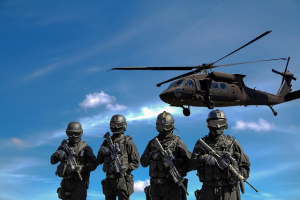
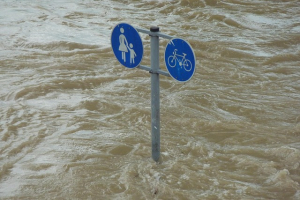
In a separate crisis, nearly 1,000 people have died in recent flooding across Sri Lanka, Indonesia, Thailand, and Malaysia due to torrential rains. The Indonesian government has deployed military personnel and warships to aid isolated villages, where at least 442 fatalities have been reported. President Prabowo Subianto acknowledged the severity of the situation but has not called for international assistance. Meanwhile, Sri Lanka has declared a state of emergency as military helicopters are utilized to reach those stranded by the floods. At least 340 people have died in Sri Lanka, with many more missing, as relief efforts ramp up to address the devastating impact of Cyclone Ditwah.
Political Responses and Calls for Action
In Sri Lanka, President Anura Kumara Dissanayake has vowed to rebuild following what he described as the largest natural disaster in the country's history. As floodwaters begin to recede, officials are assessing the damage, with many residents expressing the urgent need for military support to aid in cleanup efforts. In Indonesia, the government faces pressure to declare a national emergency as the death toll continues to rise, and officials work to provide necessary aid to affected areas.
Wrap-up
The convergence of international aid cuts and natural disasters has placed immense pressure on vulnerable populations in both sub-Saharan Africa and Southeast Asia. As communities grapple with the fallout from these crises, the need for swift and effective humanitarian responses is more critical than ever. The ongoing challenges underscore the importance of international solidarity and support for those in need.
Sources:
theguardian.com
newsis.com
@hoju-korean.com Editorial Team
















댓글목록0