













![[Summary News] Ukraine Peace Talks Intensify Amid Controversial US Proposal and Global Trade Negotiations](https://pixabay.com/get/g60d7ab57799eb88172fe728c9e24161936cedc1cf127f647096ae3bb4a1af812b0bc864eb4653e688b9673a6a099f6383848043f9cac369ef36faaebccc35313_640.jpg)
Emergency Talks in Switzerland
Ukrainian and American officials convened in Geneva on Sunday to discuss a leaked 28-point US peace plan that has been criticized for favoring Russian demands. The plan requires Ukraine to limit its military capabilities and cede territory in the eastern Donbas region. Ukrainian President Volodymyr Zelenskyy has expressed concerns that accepting such terms would compromise Ukraine's sovereignty and national dignity. The US has given Ukraine a deadline to respond to the proposal, which has been described by some as a "capitulation." Zelenskyy announced the formation of a negotiating team to engage with US counterparts, emphasizing the need for guaranteed security and justice in any peace agreement.
Global Leaders Respond at G20 Summit
During the G20 summit in Johannesburg, Western leaders, including those from the EU and NATO countries, issued a joint statement expressing their concerns over the US peace plan. They emphasized that any agreement must not alter borders by force and that Ukraine must retain the ability to defend itself. The leaders acknowledged that while the plan contains elements necessary for a lasting peace, it requires further work. British Prime Minister Keir Starmer highlighted the consensus among allies that the proposed limitations on Ukraine's military could leave it vulnerable to future attacks. The discussions at the summit underscored the divisions within the international community regarding the best approach to resolving the conflict.
US Trade Negotiations Restart
In parallel with the diplomatic efforts regarding Ukraine, the EU and US are preparing to restart trade negotiations following a two-month hiatus. High-level talks are scheduled to take place in Brussels, where US Commerce Secretary Howard Lutnick and Trade Representative Jamieson Greer will meet with European ministers and industry leaders. The discussions will focus on unresolved issues from a controversial tariff deal struck in July, which aimed to prevent a significant increase in tariffs on EU imports. Key points of contention include the 50% tariffs on steel and aluminum and additional tariffs on products containing steel elements. The outcome of these negotiations is crucial for maintaining transatlantic trade relations.
Saudi Arabia's Growing Influence
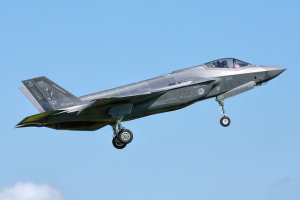
Amid these developments, US President Donald Trump has extended a warm welcome to Saudi Crown Prince Mohammed bin Salman during a recent visit, emphasizing the strengthening of US-Saudi relations. The visit included discussions about potential arms sales, including F-35 fighter jets, which could alter the dynamics of US-Israeli relations by providing Saudi Arabia with advanced military technology. Trump's approach has raised concerns in Israel, as it traditionally enjoys a qualitative military edge in the region. Additionally, the lifting of restrictions on selling advanced AI chips to Saudi Arabia signifies a shift in US policy that could enhance Saudi Arabia's ambitions in the global tech landscape.
Wrap-up
The ongoing negotiations regarding the US peace plan for Ukraine and the resumption of trade talks between the EU and US highlight the complex interplay of international diplomacy and economic relations. As global leaders navigate these challenges, the implications for regional stability and international trade remain significant.
Sources
theguardian.com
theguardian.com
theguardian.com
theguardian.com
theguardian.com
theguardian.com
@hoju-korean.com Editorial Team























댓글목록0