












Call for Action
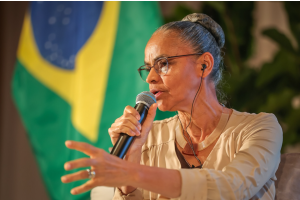
During her remarks, Silva emphasized the importance of addressing the climate crisis through a structured approach, likening the proposed roadmap to a guide that helps navigate a challenging landscape. She stated, "When we have a terrain or environment that is quite grim, it is good that we have a map. But the map does not force us to travel, or to climb." The minister's comments reflect a growing recognition of the need for a strategic plan to tackle the climate emergency, despite the complexities involved.
Voluntary Participation
Silva clarified that the roadmap would be voluntary for countries wishing to participate, allowing for a self-determined process. This approach aims to foster collaboration while respecting the diverse economic contexts of various nations. The call for a fossil fuel phaseout roadmap aligns with a historic resolution from COP28 in Dubai, which pledged to transition away from fossil fuels but lacked specific timelines or actionable steps.
Navigating Controversies
The discussions at COP30 have been marked by disagreements among countries, particularly between those reliant on fossil fuel exports and those advocating for a swift transition. Brazil, as the host nation, has maintained a neutral stance on the formal agenda but has been actively facilitating informal discussions on the topic. Silva's efforts have garnered support from Brazilian President Luis Inácio Lula da Silva, who has publicly acknowledged the need to reduce dependence on fossil fuels during the summit.
Challenges Ahead
Despite the momentum for dialogue, Silva cautioned that developing a comprehensive roadmap would require time and extensive negotiations, potentially spanning several years. She expressed hope for courageous participation from both producers and consumers in the transition process, acknowledging the difficulties ahead. The minister stated, "We recognise that it is not easy, and we cannot sell false hopes."
Wrap-up
As COP30 progresses, the call for a fossil fuel phaseout roadmap remains a contentious issue. Brazil's leadership in facilitating discussions reflects a commitment to addressing the climate crisis, while the complexities of international negotiations continue to challenge consensus. The outcome of these discussions could significantly influence global climate policy moving forward.
Sources: theguardian.com
@hoju-korean.com Editorial Team



















댓글목록0