













Pardoning of Boualem Sansal
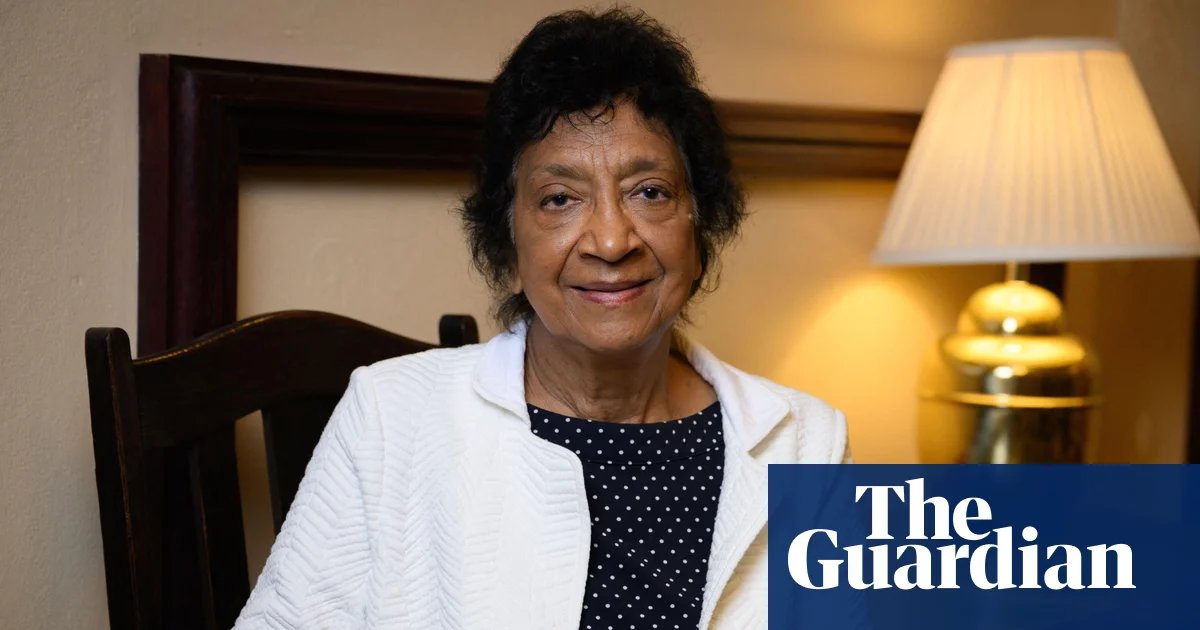
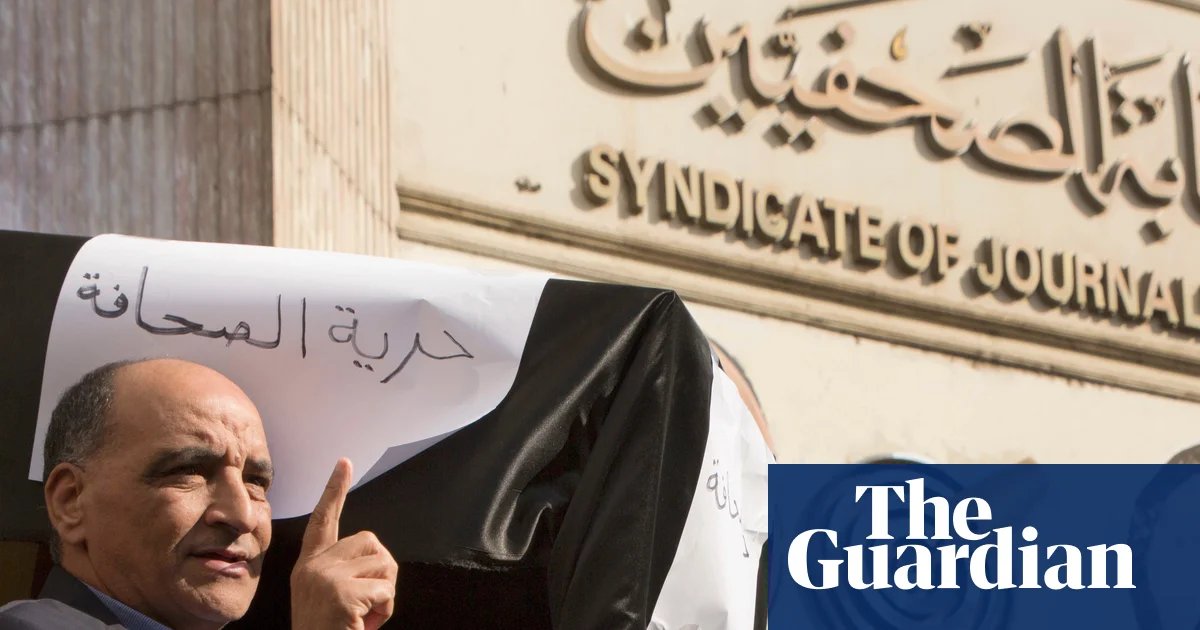
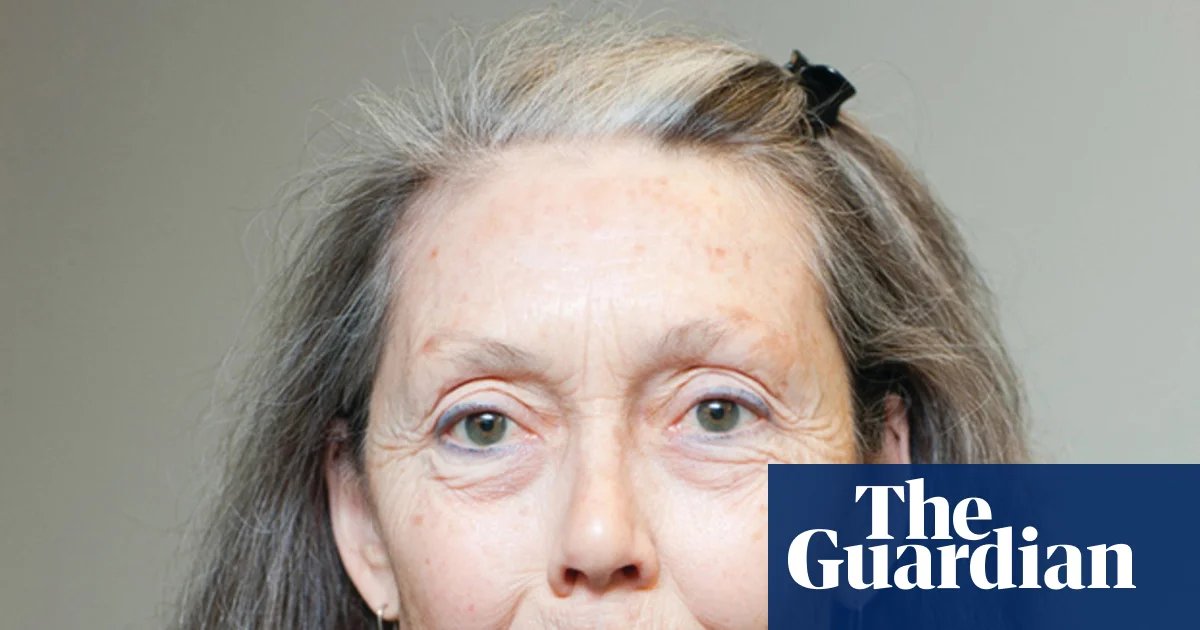
The Algerian presidential office announced that Boualem Sansal, an 81-year-old writer known for his criticism of the Algerian regime, will be released from prison. This decision follows a request from German President Frank-Walter Steinmeier for Sansal to receive medical treatment in Germany, as he suffers from prostate cancer. Sansal was arrested in November 2022 and sentenced to five years in prison for allegedly undermining national unity. His release comes amid deteriorating relations between Algeria and France, particularly after President Emmanuel Macron's support for Moroccan sovereignty over the Western Sahara. The Algerian government seeks to ease diplomatic tensions while maintaining its political stance.
Humanitarian Crisis in Sudan
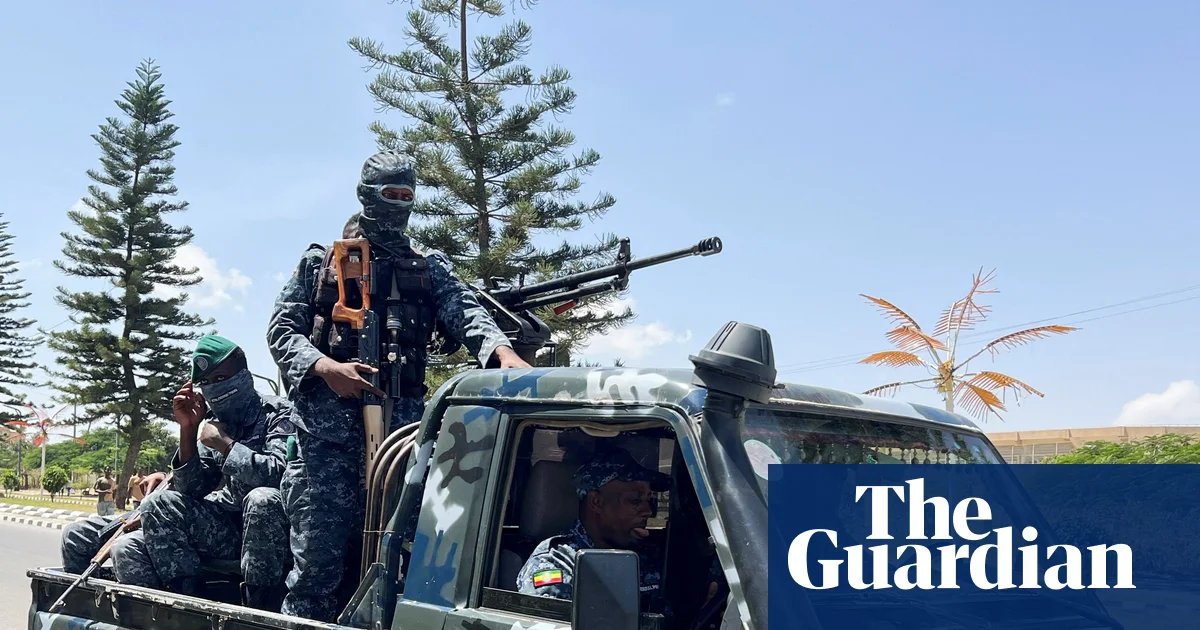
The humanitarian situation in Sudan has deteriorated sharply following the capture of El Fasher by the Rapid Support Forces (RSF) on October 26. The UN warns that aid operations are on the brink of collapse, with reports indicating that malnutrition rates in displacement camps have reached alarming levels. Over 90,000 people have fled El Fasher, facing perilous journeys without access to food or medical care. Doctors Without Borders reported that more than 70% of children under five arriving in Tawila are acutely malnourished. The ongoing conflict between the RSF and the Sudanese army, which erupted in April 2023, has exacerbated the crisis, leaving thousands trapped in the city with little hope of relief.
Climate Action Initiatives
At the COP30 climate conference, former Vice President Al Gore highlighted a new tool called Climate Trace, which uses AI and satellite imagery to identify major sources of carbon emissions. This initiative aims to facilitate the rapid reduction of emissions by targeting industrial facilities that could benefit from cost-effective decarbonization strategies. Gore emphasized the importance of collaboration among countries to draft national climate plans that align with the Paris Agreement's goals. The tool's potential to guide industries in cutting emissions could significantly impact global temperature rise.
Canada's Eurovision Aspirations
In a surprising move, the Canadian government is exploring the possibility of participating in the Eurovision Song Contest. Finance Minister François-Philippe Champagne indicated that this initiative aims to enhance Canada's cultural identity and strengthen ties with Europe. Although Canada has never formally participated in the contest, the government sees it as an opportunity to showcase Canadian talent on a global stage. Discussions are in early stages, and challenges regarding costs and audience interest remain.
Military Tensions in the Caribbean
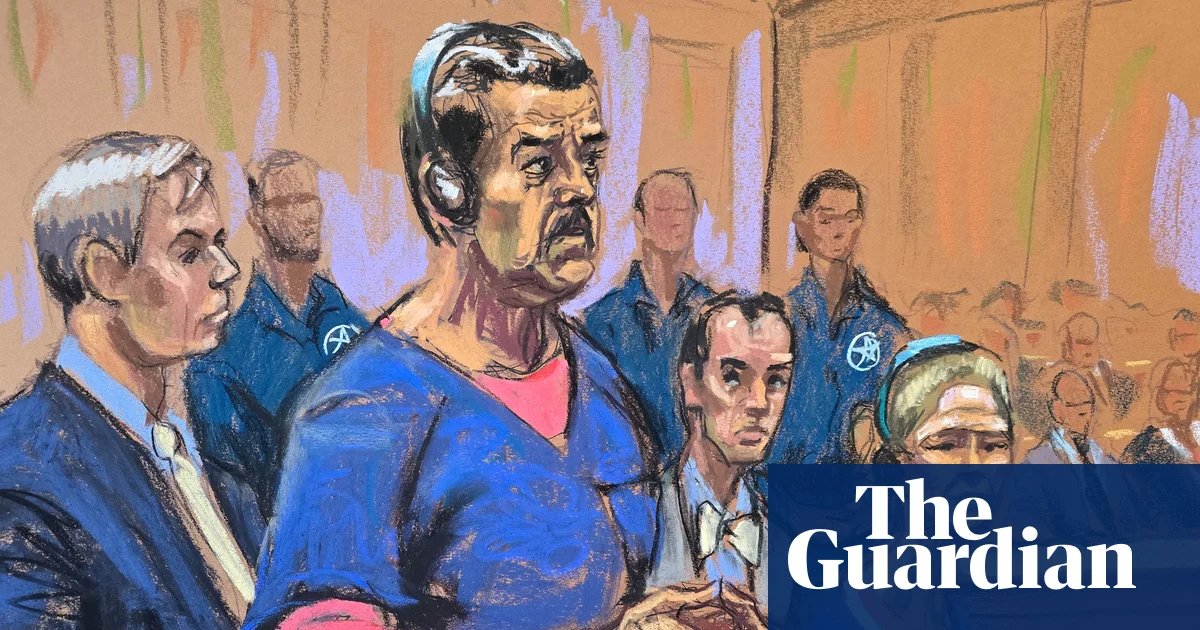
The United States has escalated its military presence in the Caribbean with the deployment of the USS Gerald R Ford, the world's largest aircraft carrier, as tensions rise between the US and Venezuela. Former US ambassador to Venezuela, James Story, has shifted his assessment of the situation, now predicting a higher likelihood of military action. Venezuelan President Nicolás Maduro appears to be under increased pressure, as the US military buildup recalls past interventions. While some experts view the deployment as a negotiating tactic, the situation remains volatile, with potential implications for regional stability.
Wrap-up
These developments illustrate the complex interplay of humanitarian crises, climate initiatives, cultural identity, and political maneuvering on the global stage. The situations in Algeria, Sudan, and Venezuela highlight urgent needs for diplomatic engagement and humanitarian assistance, while Canada's cultural aspirations reflect a broader strategy to redefine its international presence.
Sources
theguardian.com
@hoju-korean.com Editorial Team













댓글목록0