












Fuel Smuggling Costs Libya Billions
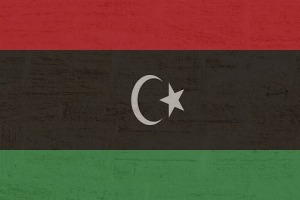
A comprehensive report from the investigative body The Sentry reveals that state-sanctioned fuel smuggling in Libya has cost the nation approximately $20 billion over the past three years. This illicit activity, often backed by politicians and security leaders, has severely undermined Libya's primary revenue source. The report calls for international sanctions against those involved and emphasizes the need for a western-backed investigation into the matter. The smuggling operations have not only drained Libya's resources but have also contributed to regional instability, with some of the stolen fuel reportedly finding its way into Sudan, exacerbating that nation's ongoing civil conflict.
Protests Mark COP30 in Brazil
As COP30 unfolds in Belem, Brazil, protests have erupted both inside and outside the conference venue. Demonstrators, including Indigenous groups, have voiced their opposition to fossil fuel projects, demanding that their forests and lands remain untouched. The protests intensified on the second day, with activists clashing with security personnel as they sought to enter the conference center. The absence of a U.S. delegation at COP30, the first of its kind since the Paris Agreement was established, has drawn mixed reactions. While some view it as a setback for global climate initiatives, others, like former UN climate chief Christiana Figueres, argue that it may open space for more progressive dialogue.
Abuses Faced by Venezuelan Deportees
A joint report by Human Rights Watch and Cristosal details the harrowing experiences of over 252 Venezuelans deported to El Salvador under the Trump administration. The report accuses the U.S. government of complicity in systematic torture and abuse, including sexual assault, at a facility known as the "terrorist continent center." Detainees have reported inhumane conditions, prolonged isolation, and inadequate food. The report calls for an independent investigation into these abuses, highlighting the Trump administration's financial support to the Salvadoran regime, which has been criticized for its human rights violations. Many of the deportees were asylum seekers fleeing the oppressive regime of Nicolás Maduro, with a significant number having no criminal background.
Wrap-up
These three stories illustrate the interconnectedness of governance, human rights, and environmental issues on the global stage. The financial losses in Libya due to corruption, the urgent calls for climate action amid protests, and the documented abuses faced by deportees in El Salvador highlight the need for accountability and reform in various sectors. As these issues unfold, the international community faces pressing challenges that require immediate attention and action.
Sources
theguardian.com
@hoju-korean.com Editorial Team























댓글목록0