













Google Maps Border Adjustment
Google Maps has long displayed the border between Western Sahara and Morocco differently based on the user's location. Users in Morocco do not see the disputed territory, while those outside Morocco can view the dotted line indicating the border's contested status. This discrepancy gained attention after media reports highlighted the situation, coinciding with a UN Security Council endorsement of Morocco's autonomy plan for Western Sahara. A Google spokesperson stated that the company has not made any changes to the map but adheres to its policies regarding disputed regions.
Western Sahara, a mineral-rich territory formerly a Spanish colony, is largely controlled by Morocco but claimed by the pro-independence Polisario Front, supported by Algeria. The UN has urged Morocco and the Polisario Front to engage in talks to resolve the dispute. However, the recent resolution supported by the US under the Trump administration favors Morocco's sovereignty over Western Sahara.
China's Escalating Rhetoric on Taiwan
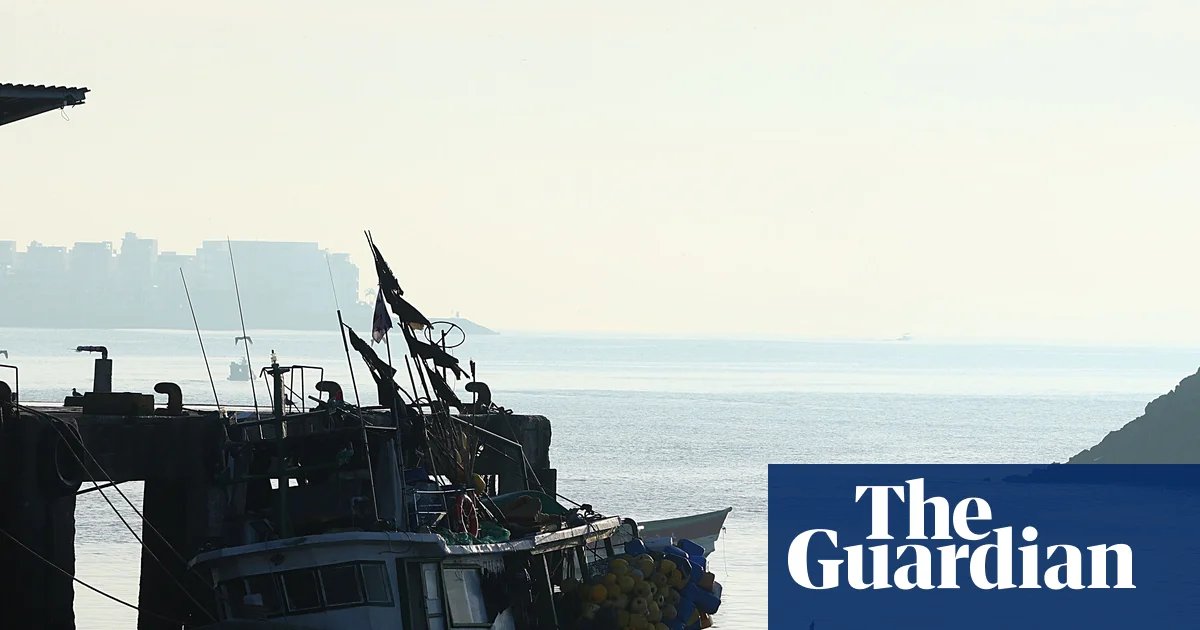
In parallel, China has ramped up its assertive stance on Taiwan, which it claims as a province. Recent statements and media articles from the Chinese Communist Party suggest a shift toward a more aggressive approach to Taiwan, with officials using sharper language regarding its status. Analysts note that Beijing's strategy appears to focus on diminishing Taiwan's international standing while promoting a “one country, two systems” governance model similar to that in Hong Kong.
Taiwan's National Security Bureau has criticized these developments, indicating that the aim is to undermine Taiwan's sovereignty. The Chinese government has issued promises of peace and economic prosperity while simultaneously warning of potential military action against "Taiwan independence" advocates. The designation of a new national holiday in China, termed "retrocession day," has also been framed as a historical revision to reinforce claims over Taiwan.
International Reactions and Implications
China's recent rhetoric has drawn responses from international leaders. For instance, Germany's foreign minister faced accusations from Beijing of supporting separatism after reaffirming his country's stance against violent changes to the status quo in the Taiwan Strait. Analysts, including Bonnie Glaser from the German Marshall Fund, have noted that such language represents a significant shift in China's diplomatic tone.
China's state media has also released satellite images of Taiwan's landmarks, underscoring its claims and intentions toward the island. The images were accompanied by captions emphasizing unity across the strait, which further illustrates Beijing's aggressive push for reunification.
Wrap-up
The contrasting developments regarding Google Maps' representation of Western Sahara and China's intensified rhetoric on Taiwan highlight the complexities of territorial disputes in the international arena. As these issues unfold, they reflect broader geopolitical tensions that may have lasting implications for regional stability.
Sources
theguardian.com
@hoju-korean.com Editorial Team



















댓글목록0