













UK REJECTS ATROCITY PREVENTION PLANS IN SUDAN
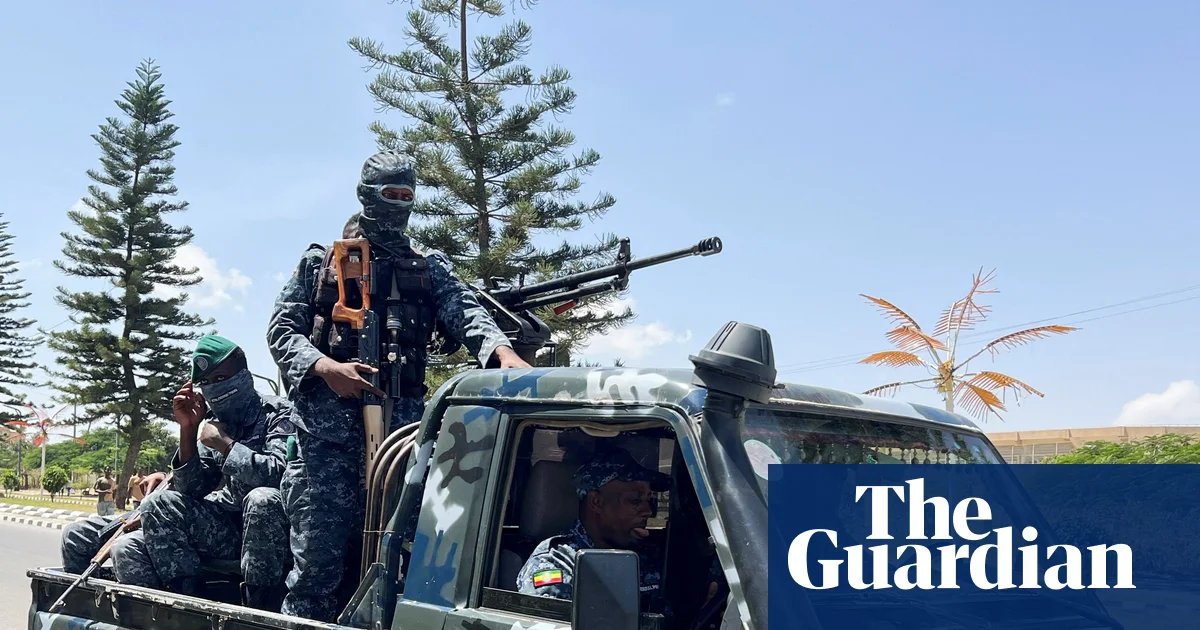
The British government declined to implement stronger measures to protect civilians in Sudan, despite intelligence warnings of an impending humanitarian crisis. Six months into the siege of El Fasher, officials opted for the least ambitious option presented in an internal report, which included minimal funding for humanitarian efforts. The paramilitary Rapid Support Forces (RSF) captured El Fasher last month and have since been accused of mass killings and sexual violence against the local population. Human rights advocates argue that the UK’s decision reflects a troubling lack of commitment to preventing atrocities, with implications for its role at the United Nations.
US STRIKES IN LATIN AMERICA RAISE ETHICAL QUESTIONS
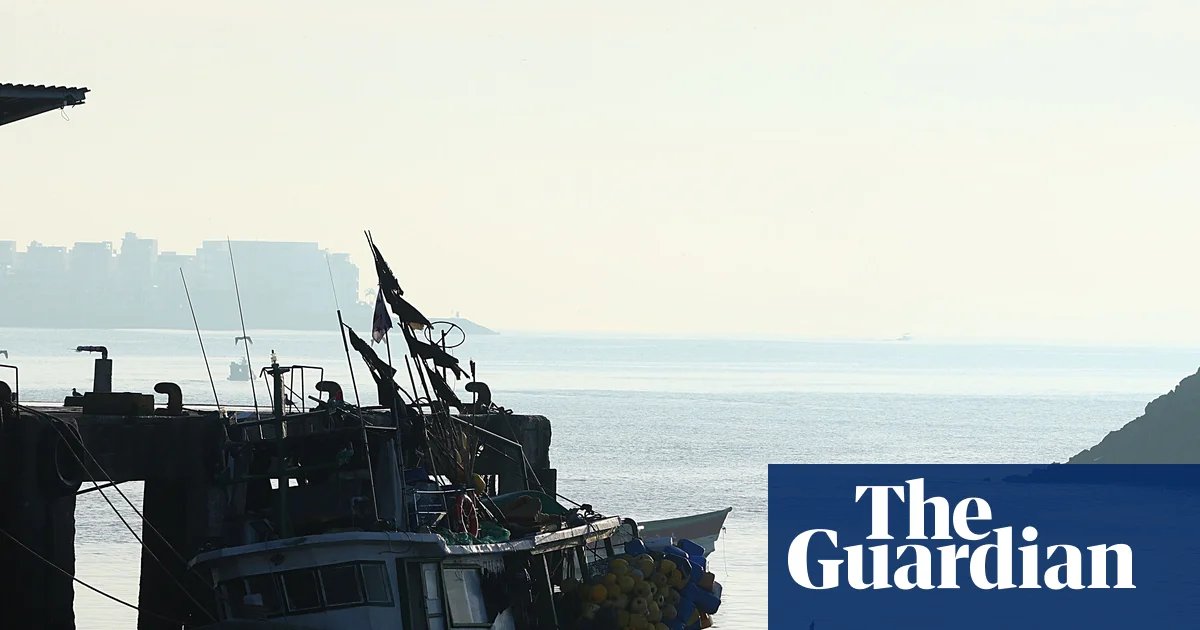
In a separate but related issue, US military operations targeting alleged drug trafficking boats in the Caribbean have resulted in the deaths of at least 70 individuals since the campaign began in September. Defense Secretary Pete Hegseth confirmed the latest strike, which killed three people, and emphasized the US commitment to combating drug trafficking. Critics argue that these strikes may constitute extrajudicial killings, as the US has not provided concrete evidence of the alleged drug activities of the targets. The ongoing operations have drawn attention to the potential civilian casualties, with reports indicating that many of those killed were fishermen rather than traffickers.
IMPACT ON INTERNATIONAL RELATIONS
The UK’s approach to Sudan is particularly significant given its position as a “penholder” for Sudan at the UN Security Council, where it leads discussions on the ongoing conflict. The failure to adopt a more ambitious plan for civilian protection raises questions about the UK’s influence and responsibility in addressing humanitarian crises. In contrast, the US military actions are framed as part of a broader strategy to combat drug cartels, but they also risk straining relations with Latin American countries, particularly Venezuela, where President Nicolas Maduro has accused the US of aggression.
WRAP-UP
Both the UK and US face scrutiny over their international actions, with the UK criticized for insufficient support in a humanitarian crisis and the US for its military tactics against alleged drug traffickers. These situations underscore the complexities of international intervention and the ethical dilemmas surrounding military actions in the name of security and humanitarian protection.
Sources
theguardian.com
theguardian.com
@hoju-korean.com Editorial Team















댓글목록0