









US-CHINA TRADE AGREEMENT REACHED
In a pivotal meeting on Thursday, President Trump and Xi Jinping discussed trade relations, leading to a tentative agreement that could see China resume purchasing US soybeans. The US Treasury Secretary Scott Bessent announced that China has committed to buying 12 million metric tons of soybeans this season and 25 million annually over the next three years. The agreement comes after months of escalating trade tensions, marked by tariffs and countermeasures. The US will also suspend restrictions on Chinese firms, marking a potential thaw in relations between the two economic superpowers.
DUTCH ELECTIONS IN A DEAD HEAT
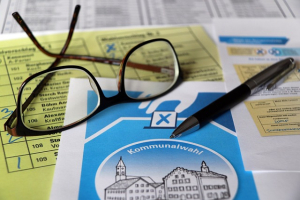
In the Netherlands, the latest election results show a tight race between the far-right Freedom Party (PVV) led by Geert Wilders and the centrist D66 party. With over 98% of votes counted, both parties are projected to secure 26 seats in the 150-seat parliament, with only a few thousand votes separating them. The election has seen a notable increase in "blanco" votes, indicating a growing discontent among the electorate. Coalition-building in the Netherlands is expected to be complex and lengthy, as mainstream parties have ruled out forming a government with Wilders.
GERMAN DENTISTS ACKNOWLEDGE PAST ATROCITIES
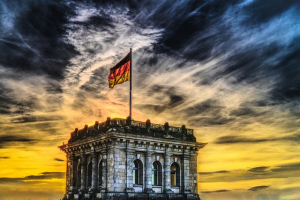
In Germany, the dental profession has taken a significant step towards reconciliation by acknowledging its role in the atrocities committed during the Nazi regime. At a memorial ceremony held at Humboldt University, the German Society for Dental, Oral and Orthodontic Medicine admitted to systemic involvement in crimes such as forced sterilizations and sadistic practices in concentration camps. The organization’s chair, Martin Hendges, emphasized the need for the profession to confront its history and stand against antisemitism and exclusion.
WRAP-UP
The recent developments in US-China relations, the Dutch election results, and the acknowledgment of historical wrongs by German dentists reflect significant shifts in international and domestic politics. As the world watches, these events may set the stage for new alliances and a redefined approach to governance and historical accountability.
Sources: theguardian.com, cnn.com, nrc.nl
@hoju-korean.com Editorial Team







댓글목록0