











Tanzania's Election Under Repression
Tanzania's president, Samia Suluhu Hassan, is poised to strengthen her grip on power during the general election scheduled for Wednesday. The election comes against a backdrop of intensified repression, with opposition candidates barred from participating and gatherings prohibited. Analysts predict voter apathy and potential unrest due to the stifling of dissent. Deus Valentine, chief executive of the Center for Strategic Litigation, expressed concern that the election could signify either a new level of civil defiance or increased impunity. The ruling CCM party has faced accusations of returning to oppressive tactics reminiscent of the previous administration.
Wole Soyinka's Visa Revoked
Wole Soyinka, the acclaimed Nigerian writer and critic of former President Donald Trump, announced that the US government has revoked his visa. Soyinka, who previously held permanent residency, expressed contentment with the decision, suggesting that his critical remarks about Trump may have influenced the revocation. The US consulate cited regulations allowing for the discretionary revocation of nonimmigrant visas. Soyinka, who has been a vocal advocate for social justice and human rights, stated that he would not seek to reapply for a visa, emphasizing the broader implications of US immigration policies.
Climate Inequality Exposed
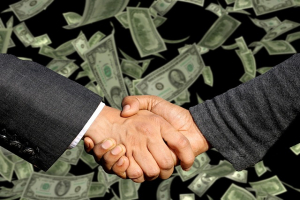
A report by Oxfam reveals that the wealthiest 0.1% of the US population emits carbon at a rate 4,000 times that of the poorest 10%. The analysis highlights the stark contrast in carbon footprints, with billionaires contributing significantly to climate change while the poorest suffer its consequences. Oxfam's findings underscore the growing gap in emissions responsibility, with the richest individuals profiting from industries that exacerbate climate issues. Amitabh Behar, executive director of Oxfam International, stated that the climate crisis is fundamentally an inequality crisis, driven by the unchecked power of the wealthy.
NHS Expands Access to Emergency Contraception
In a significant move to enhance reproductive healthcare, the NHS has made the morning-after pill available for free at nearly 10,000 pharmacies across England. This initiative aims to eliminate the "postcode lottery" of access to emergency contraception, which previously saw some pharmacies charging up to £30. Dr. Sue Mann, the NHS's national clinical director for women's health, hailed the change as one of the most substantial improvements to sexual health services in decades. The initiative aligns with the NHS's broader commitment to community-based healthcare, allowing women easier access to essential services.
Wrap-up
These global developments highlight ongoing challenges and changes in political landscapes, social justice, and healthcare access. From Tanzania's repressive election climate to Wole Soyinka's visa issues and the alarming findings on climate inequality, the world continues to grapple with significant issues that affect millions. The NHS's initiative to provide free emergency contraception represents a positive step towards improving reproductive health access in the UK.
Sources
theguardian.com
@hoju-korean.com Editorial Team














댓글목록0