












Gaza Stabilization Force Excludes Turkey
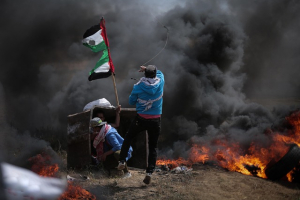
The establishment of a 5,000-strong multinational stabilization force in Gaza faces complications as Israel has expressed its disapproval of Turkish troops participating. U.S. Secretary of State Marco Rubio emphasized the need for Israel's comfort with the nationality of the force, which aims to prevent a security vacuum during the reconstruction of Gaza. Turkey, which has offered troops, is viewed unfavorably by Israel due to its ties with Hamas and the Muslim Brotherhood. The force is expected to be led by Egypt, coordinating with a U.S.-led military cell in Israel. The force's primary objectives include disarming Hamas and securing a transitional Palestinian government, although the political landscape remains contentious.
Cameroon Election Violence
In Cameroon, at least two individuals have been killed amid protests against the anticipated re-election of 92-year-old President Paul Biya, who has been in power since 1982. Opposition leader Issa Tchiroma Bakary claims to have won the election, but the government has dismissed his assertions, leading to unrest across the country. Clashes between protesters and security forces have resulted in fatalities, with demonstrators expressing frustration over poverty and political exclusion. The Constitutional Council is set to announce official results on October 27, amidst widespread allegations of electoral malpractice.
Humanitarian Aid Crisis
BAE Systems, the UK’s largest weapons manufacturer, has ceased support for aircraft delivering humanitarian aid to countries in crisis, including South Sudan and Somalia. This decision follows the company's record profits, driven by increased defense spending related to global conflicts. The withdrawal has halted vital aid deliveries, with humanitarian organizations warning that millions will suffer as a result. EnComm Aviation, which relied on BAE's aircraft for aid missions, has stated that the grounding of their fleet has left many in desperate need without access to essential supplies.
Cuban Deportee's Hunger Strike
Roberto Mosquera del Peral, a Cuban man deported to Eswatini, has initiated a hunger strike in protest of his detention. Deported under the Trump administration's immigration policies, Mosquera del Peral and others have been held in a maximum-security prison despite claims that they had completed their sentences in the U.S. His attorney argues that his client is being arbitrarily detained and has called for legal access, highlighting the ongoing legal battles surrounding the treatment of deportees in Eswatini.
Malaria Funding Cuts Threaten Lives
A new analysis warns that cuts in funding from wealthy nations to anti-malaria initiatives could lead to a deadly resurgence of the disease, potentially causing millions of deaths and significant economic losses by the end of the decade. The report highlights the need for sustained investment to combat malaria, particularly in sub-Saharan Africa, where the disease remains a critical public health challenge. Analysts urge global leaders to maintain or increase funding to prevent a humanitarian crisis, emphasizing the importance of international cooperation in tackling health issues.
Wrap-up
The international community faces multiple crises, from geopolitical tensions in Gaza and Cameroon to humanitarian aid shortages and public health threats. As nations navigate these challenges, the need for effective collaboration and support for vulnerable populations has never been more urgent.
Sources
theguardian.com
@hoju-korean.com Editorial Team




















댓글목록0