












![[Summary News] Global Responses to Conflict: Sanctions on Russia, Humanitarian Aid for Gaza, and Sporting Boycotts in Indonesia](https://pixabay.com/get/gd04d84751ec760885aa151083abce37251382f297f4cb763555563098584735859b75e47deb2a2feb1e36edd46084ff7230ee03349eff103be087b69ad5c70dd_640.jpg)
Sanctions on Russian Oil Industry
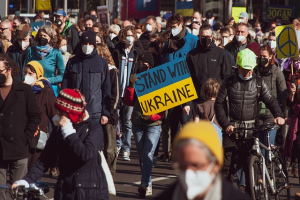
On Wednesday, the U.S. administration announced extensive sanctions targeting Russia's oil giants, Rosneft and Lukoil. This move aims to pressure Russian President Vladimir Putin to negotiate an end to the ongoing conflict in Ukraine. The sanctions come after persistent calls from Ukrainian President Volodymyr Zelenskyy and bipartisan demands from U.S. lawmakers for stronger actions against Russia's oil sector, which is crucial for funding the war. President Donald Trump expressed hope that both Putin and Zelenskyy would approach negotiations with reason, emphasizing the need for dialogue. The announcement coincided with NATO Secretary General Mark Rutte's visit to Washington for discussions on the alliance's response to the conflict.
ICJ Ruling on Humanitarian Aid to Gaza
In a significant ruling, the International Court of Justice (ICJ) stated that Israel must permit the United Nations Relief and Works Agency for Palestine Refugees in the Near East (UNRWA) to deliver humanitarian assistance to Gaza. This decision follows Israel's enactment of laws that effectively barred UNRWA from operating in the territory since March. ICJ President Yuji Iwasawa highlighted Israel's obligation to facilitate relief efforts by the UN. Despite the restrictions, UNRWA continues to provide essential services in Gaza, including health care and education, with thousands of trucks of supplies awaiting entry. UNRWA's Commissioner-General Philippe Lazzarini welcomed the ruling, emphasizing the urgent need for humanitarian support in the region.
IOC's Response to Indonesia's Visa Ban
The International Olympic Committee (IOC) has recommended that global sports federations refrain from holding events in Indonesia after the country denied visas to Israeli athletes participating in the ongoing gymnastics world championships in Jakarta. The IOC's executive board announced the cessation of any dialogue regarding future Olympic events in Indonesia, condemning the actions that prevent athletes from competing peacefully. The Indonesian government's decision to bar Israeli athletes has drawn criticism, as it undermines the Olympic spirit and the principle of inclusivity in sports. Indonesia, known for its strong support of Palestine, has faced backlash for its stance, which affects the participation of athletes from various nations in international competitions.
Wrap-up
These developments underscore the complex interplay of international relations, humanitarian needs, and the role of sports in diplomacy. The U.S. sanctions against Russia reflect a strategic effort to alter the course of the Ukraine conflict, while the ICJ's ruling on Gaza emphasizes the importance of humanitarian access amid ongoing hostilities. Meanwhile, the IOC's actions regarding Indonesia highlight the challenges faced by athletes in politically charged environments. The global community continues to navigate these intricate issues as they unfold.
Sources: feed.koreatimes.co.kr
@hoju-korean.com Editorial Team


















댓글목록0