











New Sanctions Details
The sanctions will introduce comprehensive measures that focus on oil and gas exports, the shadow fleet, and the financial sector in Russia. The EU aims to restrict the movement of Russian diplomats across its 27 member states, further isolating Russia on the international stage. This move aligns with recent actions taken by the United States, which has also imposed new sanctions on Russia's oil industry in an effort to pressure President Vladimir Putin into negotiations regarding the ongoing conflict in Ukraine.
Impact on Russia's Economy
Energy revenue is crucial for the Russian economy, enabling the government to fund military operations without exacerbating inflation or causing a currency collapse. The EU's sanctions are designed to disrupt this revenue stream, thereby impacting Russia's ability to sustain its military efforts in Ukraine. The sanctions come at a time when the conflict has escalated, and the EU is seeking to enhance its support for Ukraine.
Reactions from EU Leaders
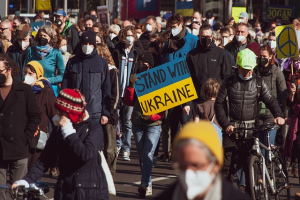
During the summit, EU leaders expressed strong support for the new sanctions. They emphasized the importance of solidarity with Ukraine and the need to take decisive action against Russian aggression. The sanctions are seen as a necessary measure to uphold international law and support a peaceful resolution to the conflict.
Wrap-up
The European Union's latest sanctions against Russia mark a significant escalation in the ongoing economic and diplomatic efforts to counteract Russian military actions in Ukraine. By targeting key sectors of the Russian economy, the EU aims to weaken Russia's financial capabilities and push for a resolution to the conflict.
Sources: feed.koreatimes.co.kr
@hoju-korean.com Editorial Team
















댓글목록0