













Migrant Surge in Ceuta
On a recent Wednesday, Youssef El Abbas, a 44-year-old Moroccan, seized an opportunity to return to Spain after being deported in 2019. Approximately 400 individuals swam from Morocco to the Spanish enclave of Ceuta, with El Abbas witnessing the chaotic scene as he traveled to the border. Reports indicated that Moroccan authorities had temporarily lifted restrictions, allowing many to cross without the usual barriers. However, the situation was dire, as El Abbas recounted seeing four bodies in the water during his crossing. The influx of around 50,000 migrants this week has been described by Spanish Prime Minister Pedro Sánchez as a violation of Spain's territorial integrity, attributed to human-trafficking operations exploiting recent legal rulings.
Economic Impacts in Australia
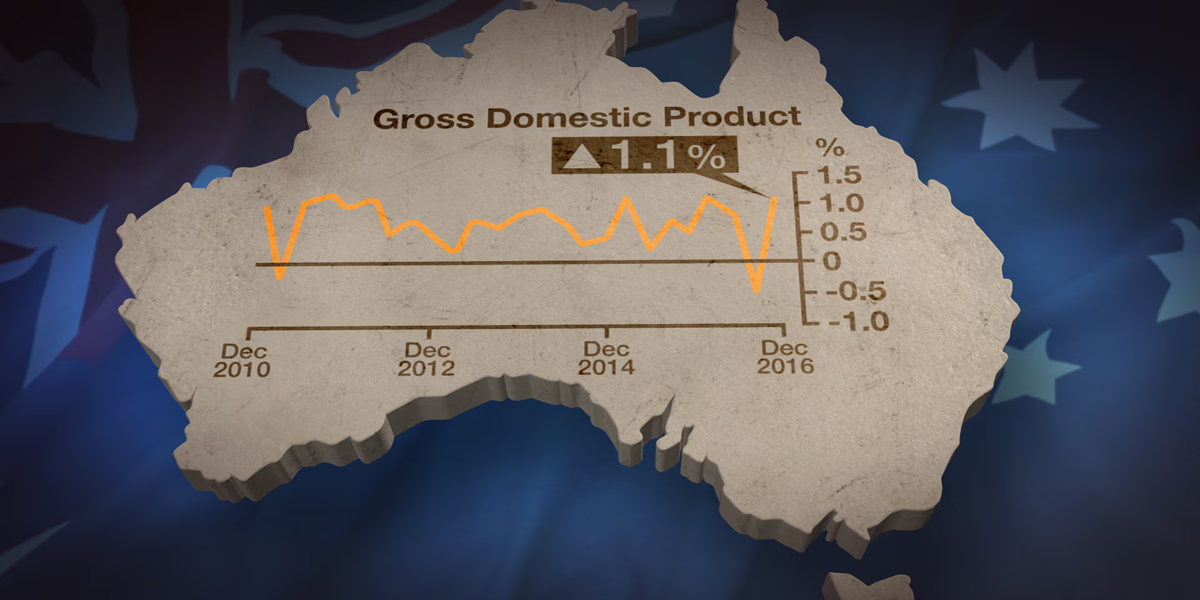
Simultaneously, Australia is grappling with a significant decline in housing prices, particularly in major cities like Brisbane, Adelaide, and Perth. According to new data from Cotality, Brisbane's median home price has decreased by about $8,000 since May, while Adelaide and Perth have seen drops of approximately $4,000. The national median home price now stands at $928,000, marking a decrease of about $19,000 from its peak earlier this year. Contributing factors include rising interest rates initiated by the Reserve Bank of Australia and economic uncertainties stemming from international conflicts, including the war in Iran.
Interest Rate Effects
The Reserve Bank's recent interest rate hikes have led to a notable reduction in housing demand, with a 15% decline in home loan applications reported by NAB. RBA Governor Michele Bullock expressed surprise at the rapid drop in prices and demand, suggesting that the market may stabilize as buyers adjust to the new conditions. She remains hopeful that the ongoing international conflicts will resolve, restoring some confidence in the housing market.
Wrap-up
The situations in Ceuta and Australia reflect broader global trends, with the migrant crisis in Ceuta underscoring the desperate conditions faced by many seeking a better life, while the Australian housing market decline illustrates the economic repercussions of both domestic and international factors. As these challenges unfold, the interconnectedness of global events becomes increasingly evident.
Sources
theguardian.com
@hoju-korean.com Editorial Team























댓글목록0