













Elephant Deaths in Kenya
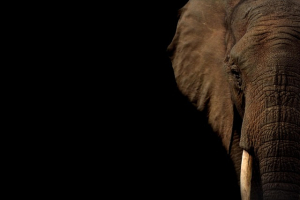
The Kenya Wildlife Service (KWS) announced that the deaths of 15 elephants in the Amboseli region were likely caused by cyanide poisoning from pesticides used on nearby tomato farms. Erustus Kanga, KWS's director general, confirmed that tests on the carcasses revealed traces of cyanide, a substance often employed in agriculture and poaching. The elephants were found in the Kimana sanctuary and Kuku Group ranch areas, which are home to over 1,600 elephants.
Kanga emphasized the toxicity of cyanide, stating that elephants exposed to it typically do not survive beyond a couple of days. The KWS is currently investigating the deaths, which occurred between June 24 and July 24. Preliminary findings indicated that several elephants exhibited signs of partial paralysis before dying. Isaac Lekolool, head of veterinary services at KWS, noted that one elephant's stomach contained a significant amount of tomatoes, suggesting agrochemical poisoning.
The incident has raised alarms among conservationists and local communities. Benson Leyian, CEO of Big Life Foundation, expressed concern over the unusual cluster of elephant deaths, while the International Fund for Animal Welfare called the situation "deeply alarming." The potential impact of cyanide poisoning on local livestock also poses a significant risk to the ecosystem and communities reliant on farming.
Biya's Extended Absence
In Cameroon, speculation about President Paul Biya's health has intensified following his 53-day absence from public life. The 93-year-old leader traveled to Switzerland on June 7 for what was described as a brief private stay. However, nearly two months later, there has been no public address or appearance from either Biya or his wife, Chantal.
Government officials have provided conflicting statements regarding Biya's condition. The Minister of Communication, René Emmanuel Sadi, insisted that Biya is in good health and working from Geneva. In contrast, Labour Minister Grégoire Owona suggested that Biya is on annual leave, asserting his right to time off as a public servant.
Despite the official reassurances, local media and opposition figures have raised concerns about Biya's prolonged absence, with some suggesting it has led to a governance vacuum. Mamadou Mota, vice-president of the opposition Cameroon Renaissance Movement, criticized the situation, stating that a country cannot be effectively governed from abroad, especially amid pressing socioeconomic challenges.
Biya's absence follows his controversial re-election in November, which was marred by allegations of irregularities. As parliamentary and municipal elections loom in early 2027, the implications of his absence on the political landscape remain uncertain.
Wrap-up
The deaths of elephants in Kenya due to suspected cyanide poisoning highlight the ongoing environmental challenges in the region, while the extended absence of Cameroon’s president raises critical questions about governance and leadership. Both situations underscore the interconnectedness of environmental health and political stability in Africa.
Sources
theguardian.com
@hoju-korean.com Editorial Team





















댓글목록0