












Wildfires in Canada
In western Canada, Prime Minister Mark Carney reported one of the most intense wildfire seasons on record, fueled by nearly 34,000 lightning strikes over the past week. As of Friday morning, southern British Columbia faced 90 active wildfires and 25 evacuation orders. Hugh Murdoch, incident commander for a cluster of fires near Kimberley, expressed concern over unfavorable weather conditions, stating that no significant relief is expected in the near future. This summer alone, Canada has seen approximately 2.95 million hectares of land burned, exceeding the 10-year average. The federal government plans to deploy over 5,300 firefighters and 300 aerial support units to combat the blazes, with assistance also coming from Mexico.
Ferry Capsizing in Guyana
In Guyana, the death toll from the capsizing of the MV Barima ferry has risen to 72, with ongoing recovery efforts revealing more bodies. The ferry, which was carrying an estimated 179 people, capsized off the Essequibo coast while en route from Georgetown to Port Kaituma. Prime Minister Mark Phillips confirmed that the government is providing funeral expenses for victims, as a criminal investigation unfolds. Three individuals, including the ferry captain and a crew member, have been detained. Survivors claim the vessel was overloaded, contradicting government assertions that it was operating within capacity.
Economic Pressures in Australia
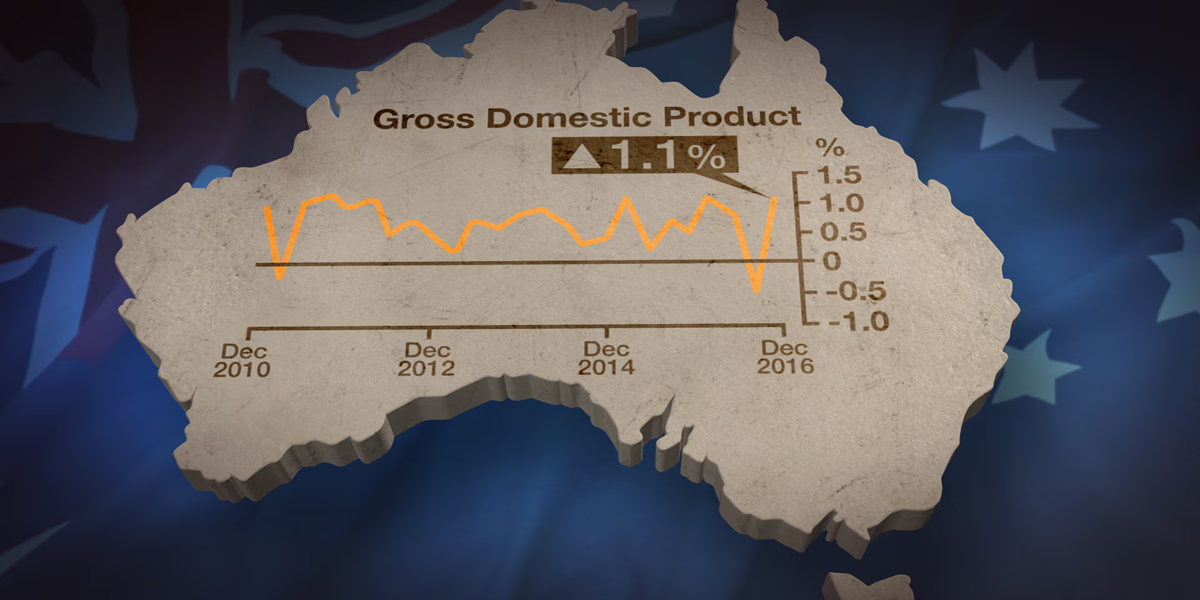
In Australia, households are facing the possibility of an interest rate hike from the Reserve Bank amid rising petrol prices, which are expected to exceed AUD 2 per litre. Economists warn that escalating crude oil prices, driven by geopolitical tensions in the Middle East, will likely persist for at least a year. The recent spike in international Brent crude prices has already led to a 37% increase in fuel costs, compounding inflationary pressures. Analysts predict that the Reserve Bank will raise rates at its upcoming meeting, as rising fuel prices could further stoke inflation expectations among consumers.
Controversial Comments on Domestic Violence
Amid these crises, Australian politician Pauline Hanson has sparked outrage with comments suggesting that domestic violence is a "two-way street" and questioning why women do not leave abusive relationships. Experts have labeled her remarks dangerous, underscoring a long-standing pattern of behavior that aligns with anti-feminist sentiments. Hanson has faced criticism for perpetuating myths surrounding domestic violence, including unfounded claims that women frequently fabricate allegations. Her comments reflect a broader trend in which populist leaders exploit controversial narratives to gain political traction.
Wrap-up
These interconnected crises highlight significant challenges facing various regions, from environmental disasters to tragic maritime accidents and economic instability. As nations grapple with these issues, the responses from governments and communities will be critical in shaping the future landscape.
Sources
theguardian.com
newsis.com
@hoju-korean.com Editorial Team

















댓글목록0