












Trump's Tariff Announcement
On Tuesday, Donald Trump revealed his plan for tariffs on generic drugs manufactured outside the United States, which will begin on August 1, 2028. This decision comes just three months after he stated that such drugs would not be subject to tariffs, indicating a significant policy reversal. Trump aims to pressure pharmaceutical companies to establish manufacturing plants in the U.S. by imposing a 100% tariff for one year, escalating to a 200% tariff thereafter. The legal basis for these future tariffs remains unclear, particularly as they would extend beyond the end of Trump's current term.
Japan's Record Heat
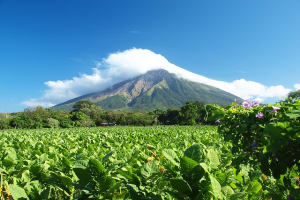
In Japan, the Japan Meteorological Agency reported the country's first "cruelly hot day" on Tuesday since the term was introduced in April. Cities such as Gujo, Tajimi, and Toyota recorded temperatures exceeding 40 degrees Celsius, with Gujo reaching an all-time high of 40 degrees. The agency's new terminology aims to raise awareness of the increasing frequency and severity of extreme heat events. In response to the soaring temperatures, farmers are adapting by planting heat-resistant crops, and the koshien national high school baseball tournament has been restructured to avoid heat-related health risks.
Health Impacts and Adaptations
The extreme heat has already resulted in fatalities, with two men succumbing to heatstroke in Niigata and Kanagawa prefectures. The fire and disaster management agency reported over 2,000 heatstroke deaths in 2024 and more than 100,000 hospitalizations last year due to heat-related illnesses. To combat the heat, Tokyo governor Yuriko Koike has encouraged office workers to adopt more casual attire, including shorts and polo shirts, as part of the "Cool Biz" initiative aimed at reducing energy consumption.
Long-Term Climate Concerns
Japan's rising temperatures have broader implications for agriculture and outdoor activities. A study from the National Institute for Environmental Studies warns that without significant reductions in greenhouse gas emissions, outdoor school sports may become unfeasible by the 2060s. The average summer temperature in Japan has increased by approximately 1.3 degrees Celsius over the past century, highlighting the urgent need for climate action.
Wrap-up
As Trump prepares to implement tariffs that could reshape the pharmaceutical landscape in the U.S., Japan grapples with unprecedented heat conditions that have far-reaching effects on public health and agriculture. Both situations reflect the complex interplay of policy decisions and environmental challenges facing nations today.
Sources
theguardian.com
@hoju-korean.com Editorial Team













댓글목록0