







Trade Tariffs on Canadian Goods
The White House revealed on Monday that President Trump will implement a 50% tariff on a wide array of Canadian products, including wine, hockey sticks, and cement. This decision comes as a response to what the administration describes as unfair discrimination by Canada against American goods, particularly automobiles, alcohol, and dairy products. The tariffs will take effect in 30 days, allowing time for potential negotiations between the two nations. Notably, energy products, fish, critical minerals, and potash will be exempt from these tariffs, as will items already subject to national security tariffs like steel and aluminum.
Trump's administration justified the tariffs by claiming that Canada has imposed discriminatory practices against U.S. goods, including a 25% tariff on American motor vehicles that do not meet USMCA criteria. The President's proclamations also highlighted Canada's restrictions on U.S. alcoholic beverages, which do not apply to imports from other countries. This trade conflict threatens to exacerbate economic instability and inflation, further straining U.S.-Canada relations that have historically been strong.
Ortega's Authoritarian Shift in Nicaragua
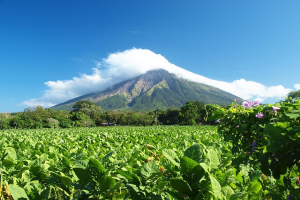
In a separate but equally alarming development, Nicaraguan President Daniel Ortega announced during a ceremony marking the 47th anniversary of the Sandinista revolution that the country will not conduct any more elections. Ortega, who has been in power since 2007, stated that this decision aims to prevent the opposition from gaining power. He indicated plans to work with the National Assembly to enact new laws that would create barriers against opposition parties.
This announcement marks a significant escalation in Ortega's authoritarian regime, which has already seen a decline in democratic freedoms. Political analysts describe this move as a transition to a family dictatorship, as Ortega and his wife, Rosario Murillo, consolidate their grip on power. The elections originally scheduled for next year are now in jeopardy, with Ortega's regime previously outlawing opposition parties and imprisoning potential presidential candidates.
Wrap-up
The imposition of tariffs by the United States against Canada and the suspension of elections in Nicaragua reflect growing tensions in international relations and domestic governance. These developments threaten to reshape the political landscape in both regions, raising concerns over economic stability and democratic integrity.
Sources
theguardian.com
@hoju-korean.com Editorial Team











댓글목록0