













Drug Trafficker Sentenced to Life in Prison
Ismael Zambada García, a prominent figure in the Sinaloa cartel, received a life sentence in a U.S. federal court in Brooklyn, New York, on Monday. The 76-year-old pleaded guilty last year to charges including racketeering conspiracy and was ordered to forfeit $15 billion from drug trade profits. Zambada admitted to trafficking large quantities of cocaine, marijuana, heroin, and fentanyl, contributing to the violence and corruption that have plagued Mexico for decades. During the sentencing, he expressed remorse for his actions and called for an end to drug-related violence, urging future traffickers to choose a different path. His arrest in 2024, facilitated by a kidnapping operation involving El Chapo's son, has led to increased factional violence within the Sinaloa cartel.
Canadian Air Quality Warnings Amid U.S. Wildfires
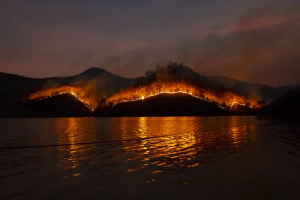
In Canada, officials in British Columbia issued air quality warnings as smoke from wildfires in Washington and Oregon drifted north. The province's wildfire service reported that 22 large fires are currently active in the U.S. states, exacerbated by numerous lightning strikes. Prime Minister Mark Carney has responded to former President Donald Trump's accusations of poor wildfire management in Canada by emphasizing the shared responsibility of all nations in combating climate change. Meanwhile, Ontario Premier Doug Ford criticized political leaders who blame Canada for wildfire issues and called for mutual support in addressing the crisis. Canada is currently battling 843 active wildfires, with a significant number classified as "out of control."
Health Safety Concerns Over At-Home STI Test
In Australia, the Therapeutic Goods Administration (TGA) has suspended the only approved at-home test for chlamydia and gonorrhea due to reliability concerns. Touch Biotechnology's self-testing kit, which was launched in December 2024, failed to detect infections in an unspecified number of patients, leading to a high risk of false negatives. The TGA's review was prompted by alerts from health services regarding the test's performance. Touch Biotechnology has ceased supply of the product while further testing is conducted. Experts have called for stricter evidence requirements and oversight for self-testing kits to prevent potential health risks associated with undetected infections.
Wrap-up
These developments highlight critical issues in drug trafficking, environmental health, and public safety. The sentencing of a major drug lord signals ongoing efforts to combat organized crime, while air quality warnings due to wildfires emphasize the interconnectedness of environmental challenges across borders. In the health sector, the recall of a faulty STI test raises alarms about the reliability of at-home medical devices.
Sources
theguardian.com
@hoju-korean.com Editorial Team























댓글목록0