













U.S. Aid Workers Quarantined in Kenya
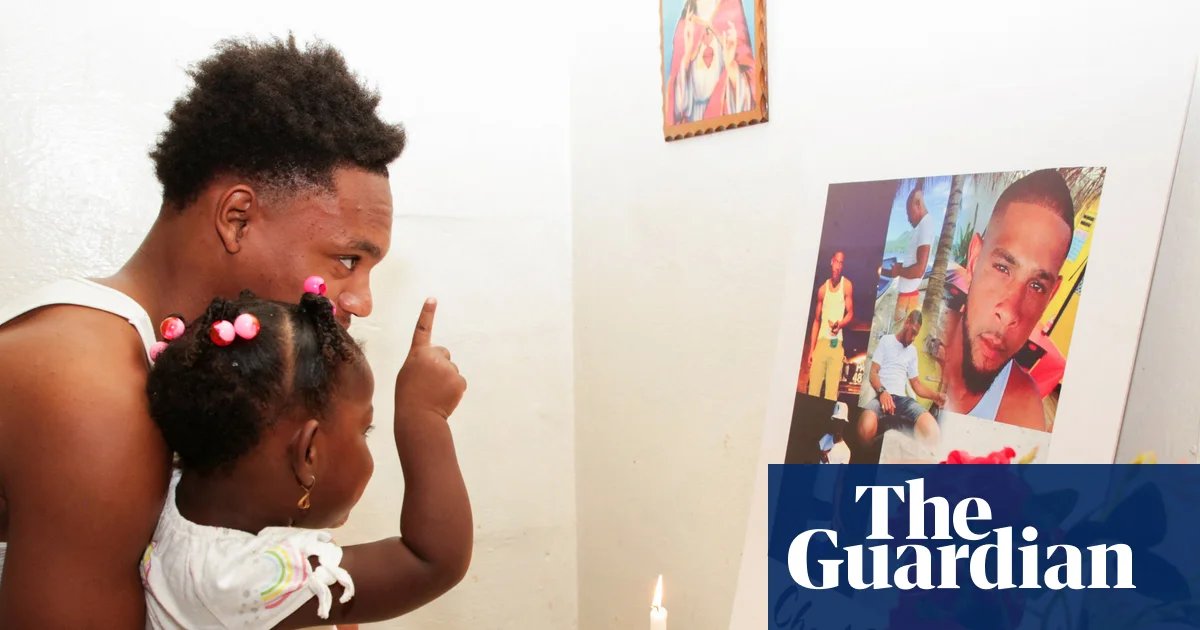
The seven aid workers from Samaritan’s Purse are the first individuals to be housed in a newly constructed isolation facility in central Kenya. This facility, which has faced significant opposition from local communities and legal challenges, is designed for asymptomatic Americans who may have been exposed to Ebola. Franklin Graham, the president of Samaritan’s Purse, confirmed that the workers are not exhibiting any symptoms but are being monitored as a precautionary measure. The U.S. State Department has stated that the workers voluntarily moved to this facility for monitoring, emphasizing the decision was made out of an abundance of caution.
The Kenyan government has authorized the workers' isolation, although local health officials have not publicly commented on the situation. Reports indicate that the workers are living in tents on army cots and are prohibited from leaving the facility. The quarantine comes as the U.S. builds a 50-bed bio-isolation unit on an air force base in Kenya, intended to manage health risks associated with the Ebola outbreak.
Hybrid Fish Threaten Philippine Biodiversity
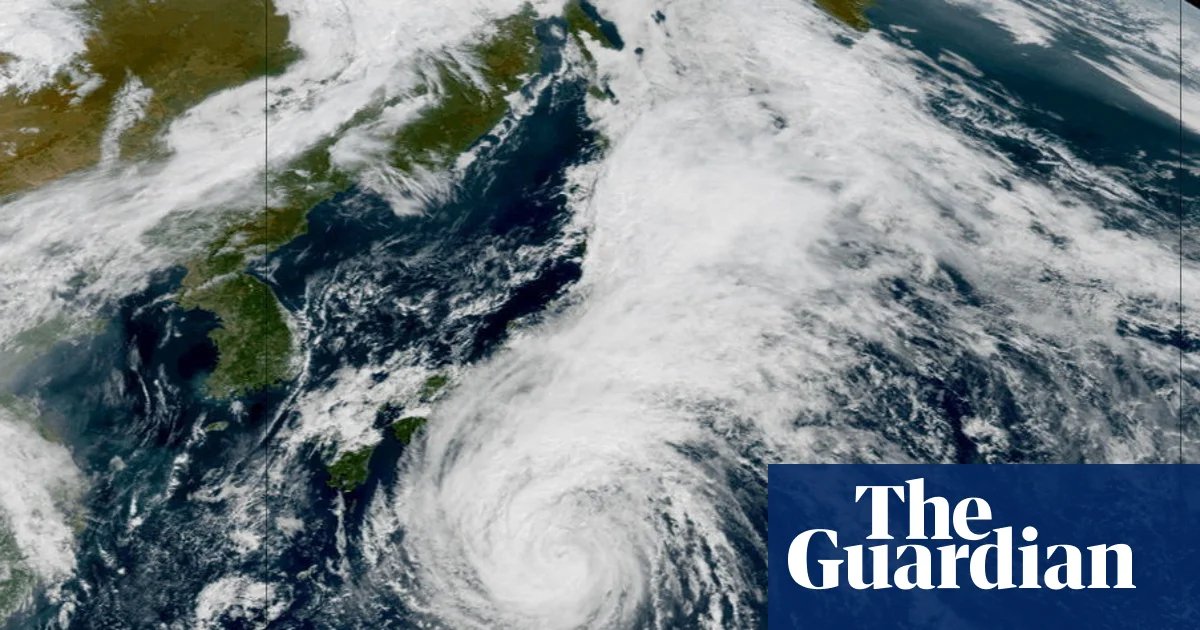
In a separate development, scientists are raising alarms about the introduction of flowerhorn cichlids into Lake Sampaloc in the Philippines. These human-bred hybrid fish, known for their vibrant colors and distinctive features, are believed to have escaped from breeding facilities during a recent typhoon. Their presence in the lake, which is already struggling with pollution and invasive species, could further jeopardize local biodiversity, particularly affecting the native ayungin, or silver perch, which is now classified as endangered.
Research conducted by experts from Ateneo de Manila University indicates that flowerhorns are adapting to the lake's ecosystem and competing with local fish for resources. The lake is a critical site for tilapia farming, which supports local livelihoods. However, the introduction of flowerhorns could disrupt this balance, as they thrive in the polluted waters and may outcompete native species for food and habitat.
Concerns extend beyond competition for resources. Some flowerhorns have been found carrying parasites that can infect humans, raising health warnings about their consumption. Experts caution that the release of non-native species into new environments contributes significantly to global biodiversity loss, a problem that could be exacerbated by climate change.
Wrap-up
The quarantine of American aid workers in Kenya highlights the ongoing challenges posed by infectious diseases like Ebola, while the situation in Lake Sampaloc underscores the risks associated with invasive species and environmental degradation. Both scenarios reflect broader issues of public health and ecological balance that require urgent attention from local and international communities.
Sources
theguardian.com
@hoju-korean.com Editorial Team



















댓글목록0