













Air Quality Crisis
On Friday, cities such as Chicago and Detroit reported alarming air quality index levels, with readings reaching a hazardous 361. In Baltimore and Washington D.C., the air quality was classified as very unhealthy, with index values of 281 and 247, respectively. New York City, which has been under a smoke haze since Tuesday, recorded an unhealthy air quality index of 184. Other cities, including Philadelphia and Cleveland, reported similarly concerning levels around 260.
The situation is particularly dire in parts of Michigan, Minnesota, and Wisconsin, where air quality readings also fell into the hazardous range. The global air quality index indicated that pollution levels in five major North American cities surpassed those in Kinshasa and Nairobi, highlighting the severity of the crisis.
Health Recommendations
In response to the deteriorating air quality, Michigan's Department of Environment, Great Lakes, and Energy has advised residents to keep windows closed, minimize door openings, and utilize HVAC systems rated Merv-13 or higher. For those needing to be outdoors, the department recommends wearing N95 or P100 respirators.
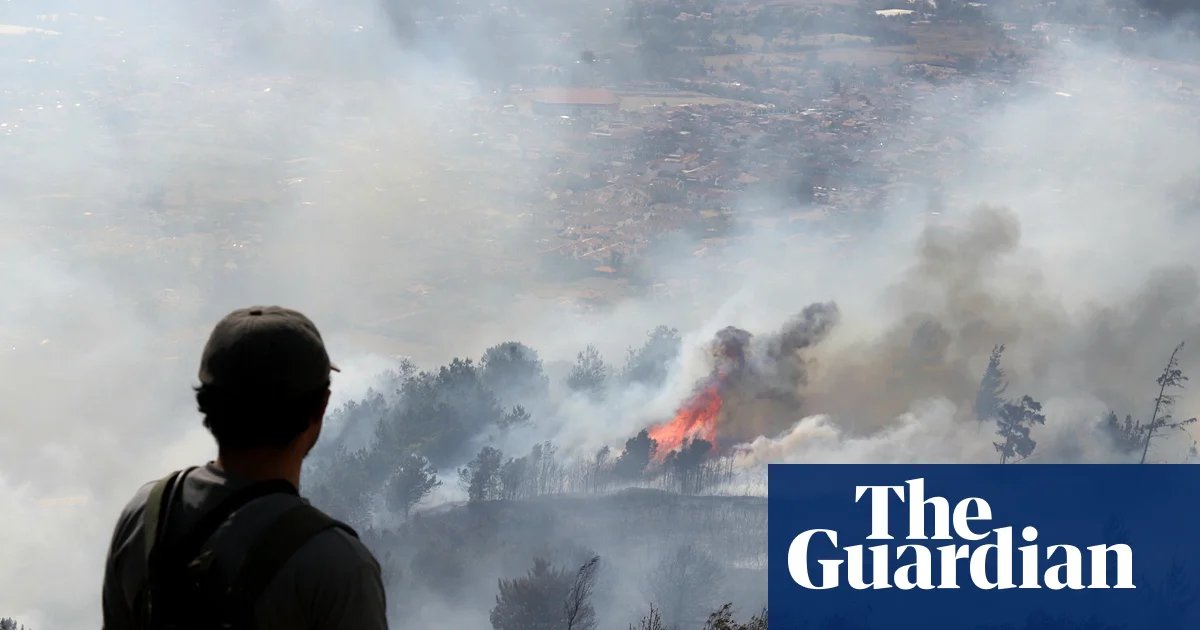
Mark Parrington, a senior scientist at the Copernicus Atmosphere Monitoring Service, emphasized the intensification of wildfire activity in Canada, particularly in Ontario. He noted that the smoke is expected to continue traveling eastward across the North Atlantic, potentially impacting air quality in Europe as well.
Potential Relief Ahead
Some regions in the Northeast and New England may receive relief from the smoke on Friday due to stronger winds from Quebec. However, an approaching storm system from the west could complicate matters, as severe thunderstorms might interact with the smoke, worsening conditions by dragging smoky air down to the surface.
Event Implications
The smoke patterns are being closely monitored by organizers of the World Cup final in East Rutherford, New Jersey. The smoke currently affecting the mid-Atlantic is expected to move back into the Northeast. However, if the storm passes as predicted late Saturday, air quality is likely to improve in time for the event's kickoff at 3 PM.
Wrap-up
The ongoing Canadian wildfires have resulted in a significant public health crisis across the United States, impacting millions and leading to critical air quality alerts. As authorities continue to monitor the situation, residents are urged to take precautions to protect their health.
Sources
theguardian.com
@hoju-korean.com Editorial Team





















댓글목록0