












Flooding Overview
Beginning on June 20, the Gulf of Guinea region experienced unprecedented rainfall over a short period. In just 72 hours, some cities recorded over 140mm of rain, overwhelming drainage systems and leading to flash floods. The affected areas, typically accustomed to rain during the season from May to July, were unprepared for the intensity of this year's downpour. Reports indicate at least 34 deaths in Ghana, five in Togo, and 59 in Côte d'Ivoire since May due to the flooding.
Scientific Analysis
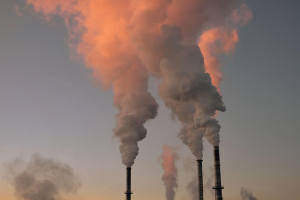
Researchers from Imperial College London, including climate scientist Friederike Otto, have noted that the extreme weather event was five times more likely due to climate change. The study revealed that heavy rainfall events in the region have increased by approximately 23% since record-keeping began. Otto emphasized the urgent need for countries to adapt to these new climate realities while also significantly reducing greenhouse gas emissions to mitigate future disasters.
Future Projections
The researchers predict that similar flooding events could occur every two to four years if current climate trends continue. With global temperatures now 1.4 degrees Celsius higher than pre-industrial levels, the likelihood of extreme rainfall is expected to rise. Joyce Kimutai, the lead author of the study, highlighted the challenges climate models face in accurately predicting such extreme weather, yet confirmed that greenhouse gas emissions have intensified this recent flooding.
Community Impact
The flooding has caused widespread destruction, inundating neighborhoods, washing away markets, and disrupting infrastructure from Lagos to Monrovia in Liberia. Many residents have been displaced, and the long-term impacts on local economies and communities are yet to be fully assessed. The situation underscores the urgent need for improved climate adaptation strategies in vulnerable regions.
Wrap-up
As West Africa grapples with the immediate aftermath of these floods, the implications of climate change are becoming increasingly evident. The region must confront both the immediate need for disaster response and the longer-term challenge of adapting to an environment that is changing more rapidly than many can cope with.
Sources
theguardian.com
@hoju-korean.com Editorial Team




















댓글목록0