













Venezuela's Political Dialogue
The Venezuelan government, led by acting president Delcy Rodríguez, confirmed the start of discussions with the opposition, represented by Dinorah Figuera, who returned from exile in Spain. The talks, which will involve former members of the 2015 national assembly, are set to begin on August 1. This assembly was the only opposition-controlled congress during the Chavismo era, which has seen many of its members imprisoned or exiled. The United States has expressed support for this dialogue, emphasizing the need for a democratic transition in Venezuela, especially after the devastation caused by the recent earthquakes.
Figuera's return and her role in the negotiations have surprised many, particularly as María Corina Machado, a prominent opposition figure and Nobel laureate, will not be representing the coalition. Machado had been expected to lead the negotiations but faced discouragement from the White House due to concerns about potential civil unrest. The opposition coalition plans to meet to clarify its stance on the ongoing talks, signaling a complex political landscape.
China's Economic Growth Concerns
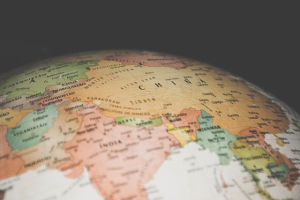
In a stark contrast, China's economy has reported a growth rate of just 4.3% for the second quarter, falling short of the government's target of 4.5% to 5%. This figure marks one of the lowest quarterly growth rates since the early 1990s and raises alarms about the country's economic health. The National Bureau of Statistics released these figures alongside customs data indicating a surge in exports, which rose by 27% in June. However, domestic consumer demand remains weak, with car sales plummeting by over 16%.
Economists are urging the Chinese government to implement new stimulus measures to boost consumer spending and investment, as the economy struggles to shift its reliance from exports, which constitute about 20% of its GDP. Li Daokui, a prominent economist, highlighted the declining investment in fixed assets and the increasing unemployment rate as critical issues that need urgent attention. The upcoming meeting of the Chinese Communist Party's top officials is expected to address these economic challenges and consider potential strategies for revitalization.
Wrap-up
As Venezuela embarks on a new chapter of political dialogue with the opposition, the situation remains precarious, with no clear timeline for elections. Concurrently, China's economy faces significant hurdles, with disappointing growth figures prompting calls for immediate action to stimulate domestic demand. Both countries are navigating complex challenges that could shape their futures in the coming months.
Sources
theguardian.com
@hoju-korean.com Editorial Team





















댓글목록0