













![[Summary News] Severe Weather and Geopolitical Tensions Dominate Global Headlines](https://pixabay.com/get/g641184a40be94dfe11b77b4453a78183469abc9b39de4ee0176a938121667f707713ee6420e76b7ddfad901e2f7457f18de81fe133b0bc87fedb518622fa0aea_640.jpg)
Flooding and Snake Escapes in China
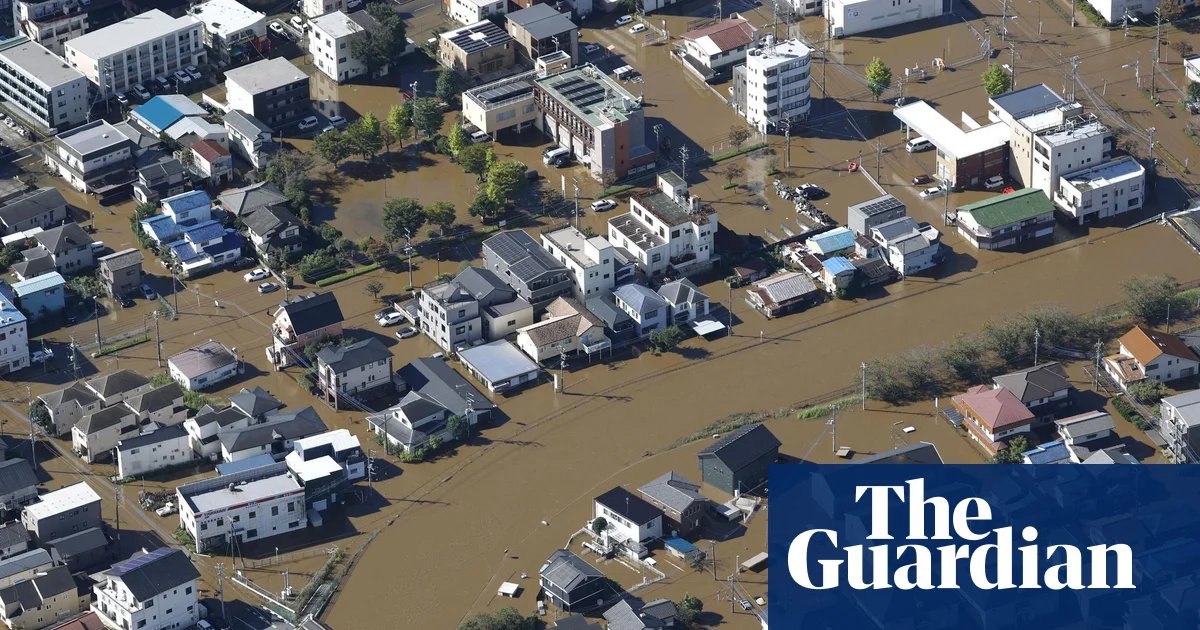
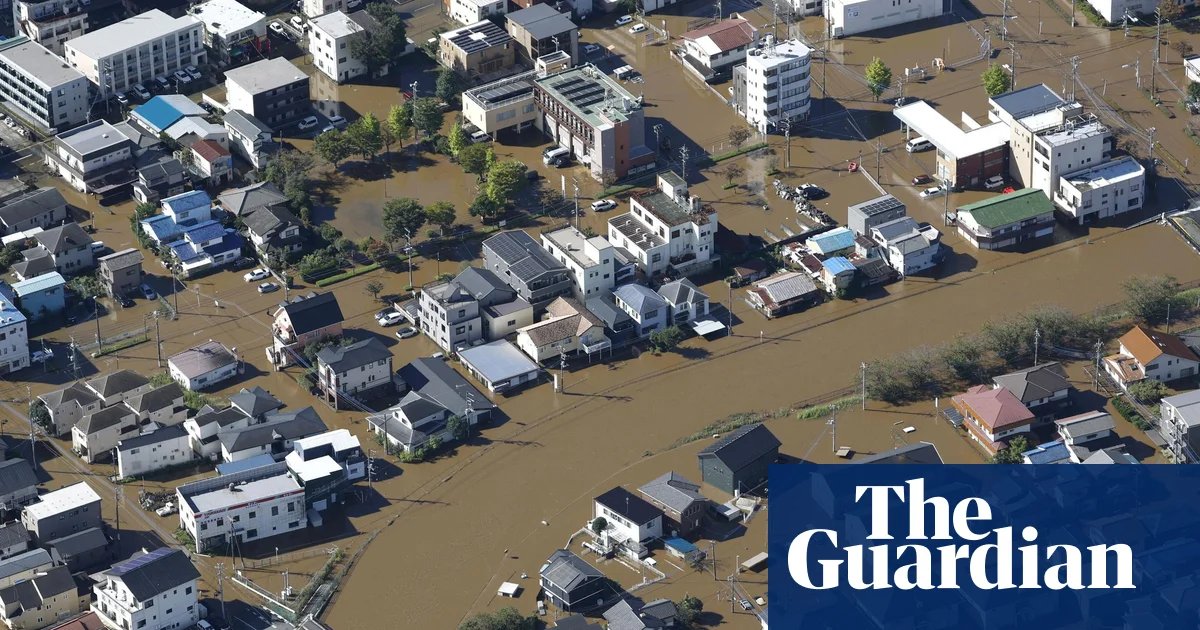
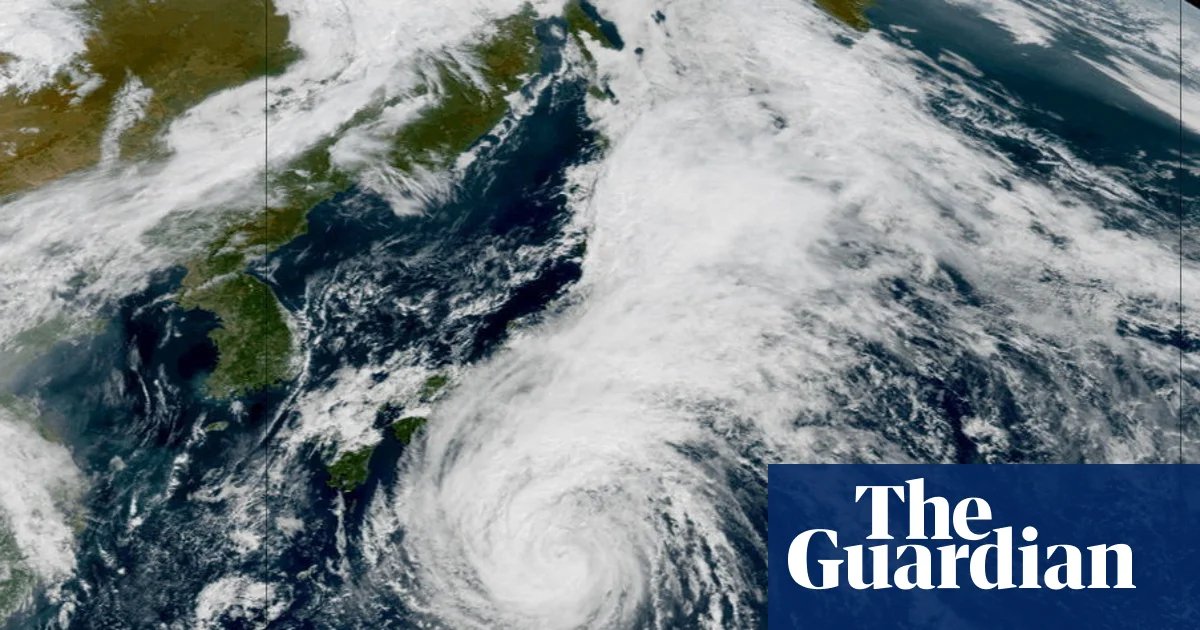
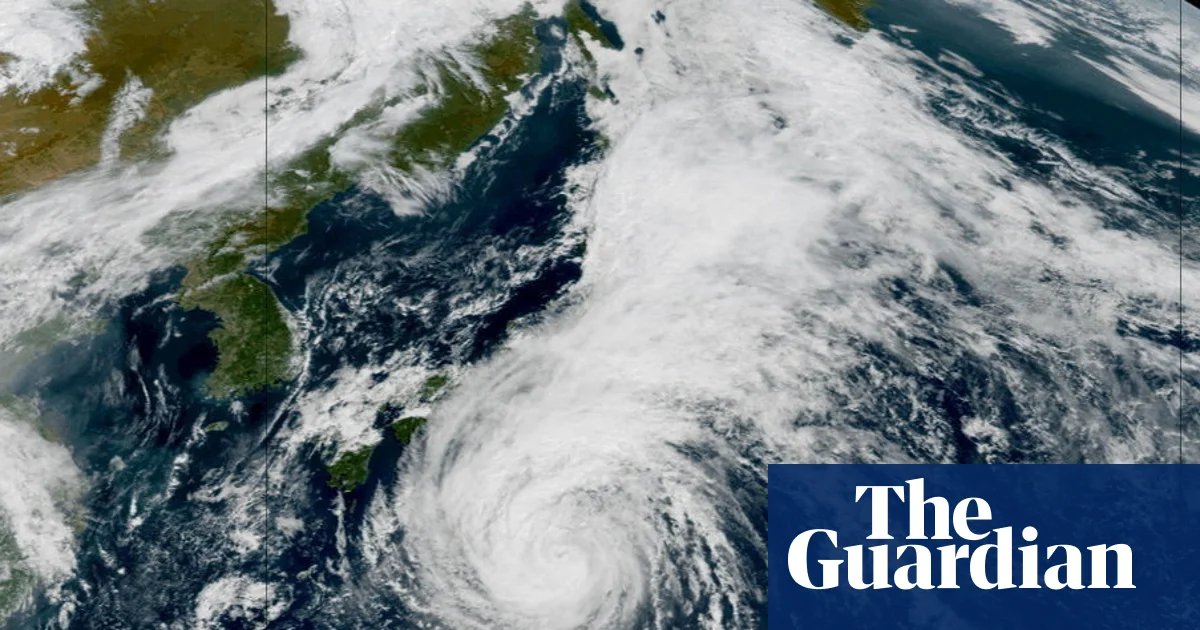
In southern China, severe storms associated with typhoon Maysak resulted in significant flooding, particularly in the Guangxi Zhuang autonomous region. Hundreds of snakes, including cobras and water snakes, escaped from breeding farms, prompting emergency warnings from local authorities. The flooding has already claimed at least six lives and necessitated the evacuation of over 50,000 residents. Reports indicated that local hospitals have treated multiple snakebite victims, with one fatality confirmed. In response, the Hengzhou emergency management bureau has increased anti-venom supplies and set up medical stations to handle the influx of snakebite cases.
Record Heatwaves Across Europe
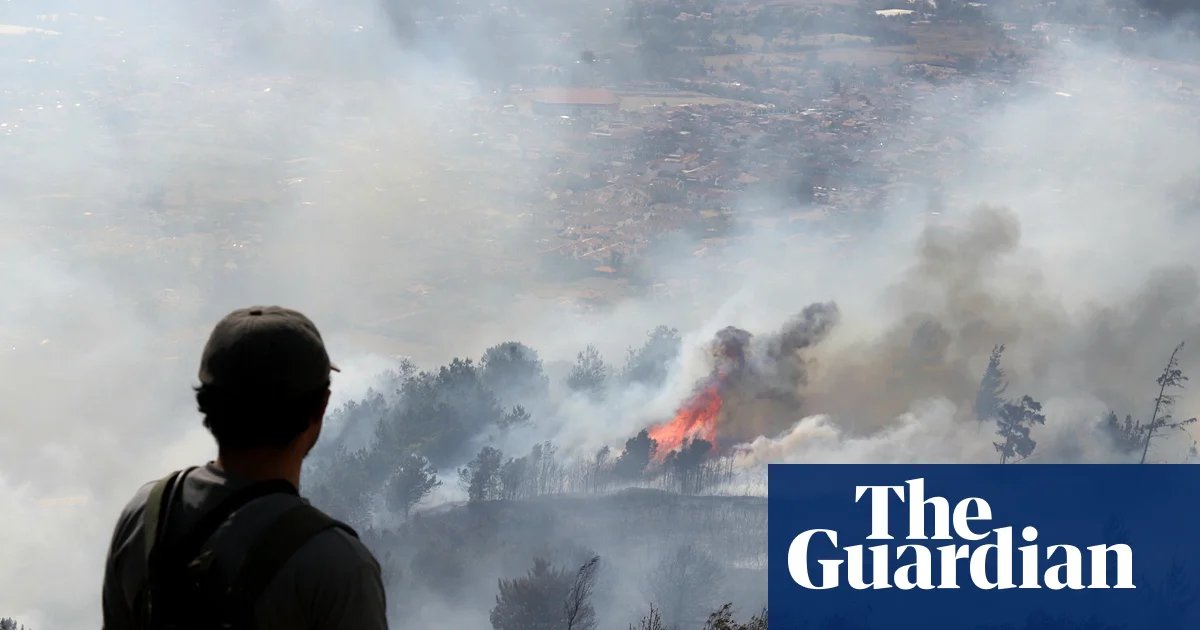
Western Europe is experiencing its hottest June on record, with temperatures in Barcelona reaching 40.5 degrees Celsius. The UK is undergoing its third heatwave of the year, prompting health officials to advise vulnerable populations, including the elderly, to take precautions. The European heatwave has led to wildfires in France and Spain, with the EU reporting a significant increase in land burned compared to previous years. The Copernicus climate monitoring service noted that June 2026 was exceptionally warm, with surface air temperatures rising significantly above historical averages, raising concerns about climate change and its impacts on public health and safety.
Volkswagen Job Cuts Spark Protests
Volkswagen is facing widespread protests in Germany as the company prepares to discuss plans to cut up to 100,000 jobs and close several factories. The influential IG Metall union has organized demonstrations at 18 sites, urging management not to shift the responsibility for the company's challenges onto workers. CEO Oliver Blume's restructuring plan includes potential closures of key plants, which could have far-reaching implications for Germany's economy, given the automotive industry's significance in the region. The supervisory board's meeting on these proposals is seen as a critical moment for the future of the company and its workforce.
Escalating US-Iran Tensions
Tensions between the United States and Iran have intensified following a series of military strikes by the US on Iranian targets. President Donald Trump declared that an interim ceasefire with Iran is "over," amid ongoing retaliatory strikes following attacks on commercial shipping in the Strait of Hormuz. The US military has targeted 170 sites in Iran over two days, while Iranian forces have responded with strikes on US bases in Bahrain and Kuwait. The situation remains precarious, with both sides threatening further escalation. Trump's comments at a NATO summit, where he criticized Iran and expressed dissatisfaction with European allies, have further complicated diplomatic efforts.
Wrap-up
Today's news highlights the intersection of natural disasters and geopolitical strife, with severe flooding in China leading to public health threats and record heatwaves in Europe exacerbating existing challenges. In Germany, Volkswagen's proposed job cuts have ignited protests, reflecting broader concerns about the future of the automotive industry. Meanwhile, escalating tensions between the US and Iran underscore the fragile state of international relations in a rapidly changing global landscape.
Sources
theguardian.com
newsis.com
@hoju-korean.com Editorial Team

















댓글목록0