













Policy Changes and Impact
In January 2025, following Donald Trump's re-election, Meta announced a significant policy shift aimed at decreasing what it termed "censorship." This included the removal of fact-checkers and a focus on addressing only serious violations, relying on users to report less critical breaches. Mark Zuckerberg, Meta's CEO, described the change as a "trade-off," acknowledging that while the company would catch less harmful content, it would also reduce the number of innocent posts and accounts taken down.
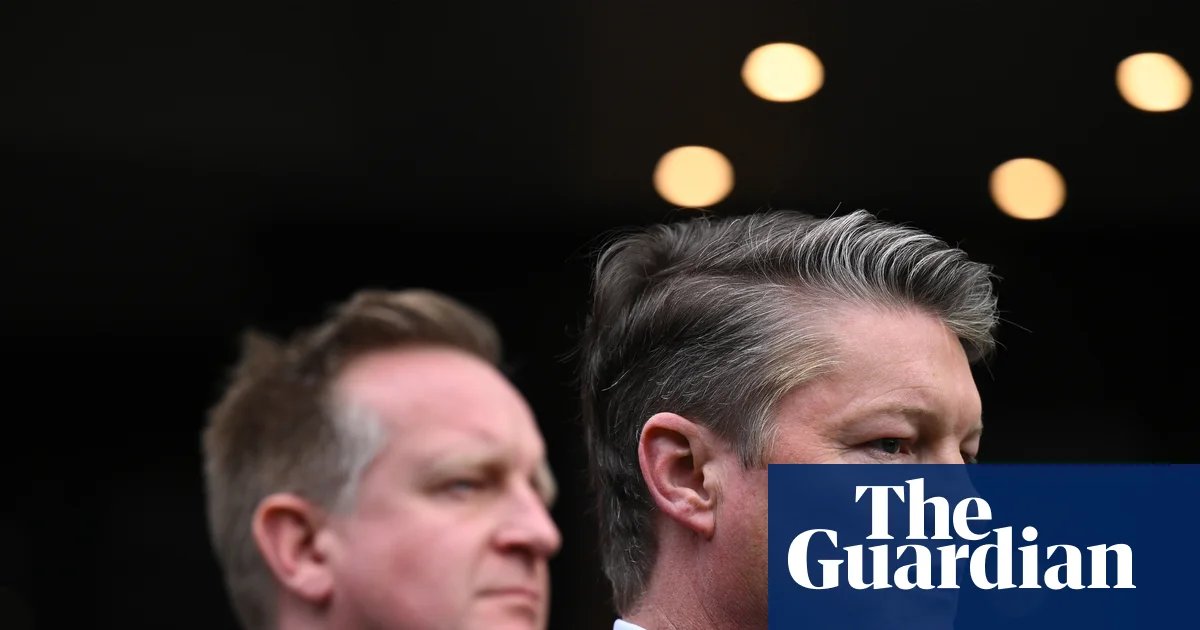
During the inquiry, Benjamin Good, Meta's global director of core policy, defended the changes, stating that the company had improved its processes to focus on content that could lead to offline harm. However, Richard Lancaster, counsel assisting the inquiry, pointed out that the alterations had seemingly allowed for an increase in antisemitic content, questioning the effectiveness of the moderation changes.
Content Moderation Guidelines
The inquiry revealed troubling internal guidelines from Meta regarding what constitutes offensive content. Comments such as "gay people are sinners" and false claims about immigrants and racial groups were deemed acceptable under the new policy. Good emphasized that it is not Meta's role to police offensiveness, but critics argue that such a stance can lead to harmful consequences, particularly for marginalized communities.
Lancaster highlighted that witnesses who testified at the inquiry faced harassment on Facebook, raising concerns about the safety of individuals speaking out against hate speech. Good acknowledged the challenges in moderation, noting that the company aims to avoid over-enforcement, which could inadvertently silence voices condemning hate.
Statistics and Accountability
Good presented statistics indicating that the prevalence of hateful conduct policy violations has remained at a consistent 0.02% since 2022. However, Lancaster dismissed these figures as unrealistic, suggesting that moderators are influenced by the more lenient approach to content moderation. The inquiry has sparked a broader discussion about the responsibilities of social media companies in regulating hate speech and protecting vulnerable communities.
Wrap-up
As the inquiry continues, Meta faces mounting pressure to reassess its content moderation policies and address the rising tide of hate speech on its platforms. The balance between reducing censorship and ensuring user safety remains a contentious issue, highlighting the complexities of content moderation in the digital age.
Sources
theguardian.com
@hoju-korean.com Editorial Team













![[Summary News] EU Considers Windfall Tax Amid Record Fuel Pr…](https://hoju-korean.com/data/world_news/20260919_210121_9fac2f7d.jpg)








댓글목록0