













Impact of the Strait of Hormuz Closure
The Strait of Hormuz, a crucial passage for global oil and gas shipments, was effectively closed by Iran in response to joint strikes that resulted in the death of Iranian Supreme Leader Ali Khamenei. Prior to the closure, approximately 80% of the oil and nearly 90% of liquefied natural gas passing through the strait was destined for Asian markets. The Asia Group's report highlights that the crisis has particularly affected countries like India, Japan, and South Korea, which are now grappling with heightened energy costs and supply chain disruptions.
China's Preparedness and Strategic Reserves
China's significant stockpiles of oil and its aggressive push towards renewable energy have positioned it to weather the energy shock more effectively than its regional counterparts. The country has long maintained strategic energy reserves and capitalized on low prices to expand these stockpiles. By 2025, China's crude imports are projected to rise to 11.6 million barrels per day, with a substantial portion earmarked for reserves. As of January, China had enough stockpiled oil to cover 104 days of imports at this level.
Renewable Energy Infrastructure Expansion
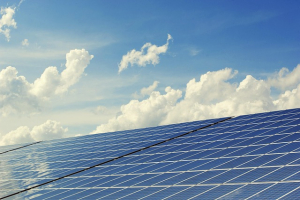
In addition to its oil reserves, China has been rapidly expanding its renewable energy infrastructure. In the past year alone, the country added 315 gigawatts of new solar capacity, accounting for more than half of global additions. This ambitious growth aligns with China's goal of sourcing half of its energy from non-fossil fuels by 2030, with a significant increase in the share of wind and solar energy. Despite coal still making up over 50% of its energy mix, the transition to renewables is accelerating.
Geopolitical and Economic Repercussions
The Asia Group's analysis indicates that China is not only managing the immediate energy crisis but is also set to benefit from the broader geopolitical shifts resulting from the conflict. As other nations react to the crisis by accelerating their clean energy initiatives, China's dominance in the global supply chain for solar and clean technologies is expected to strengthen. The report emphasizes that with 1.4 terawatts of renewable capacity already operational and substantial crude reserves, China has navigated the initial shocks of the crisis better than any other regional player.
Wrap-up
In conclusion, the ongoing crisis in the Middle East has inadvertently positioned China as a clear winner, allowing it to enhance its energy security and accelerate its transition to renewable energy. As global markets adjust to the new realities of energy supply and demand, China's strategic investments and preparedness may lead to long-term advantages in both economic and geopolitical landscapes.
Sources
theguardian.com
@hoju-korean.com Editorial Team





















댓글목록0