












Earthquake Aftermath and Rescue Efforts
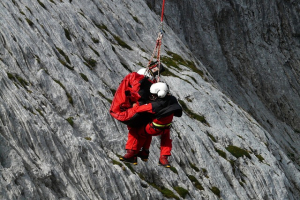
On January 31, twin earthquakes measuring 7.2 and 7.5 struck northern Venezuela, causing widespread destruction. Five days later, a 4.6-magnitude aftershock rattled the capital, Caracas, and the port city of La Guaira, where rescue operations continue. Jorge Rodríguez, leader of the Venezuelan National Assembly, reported that time is running out for those trapped under rubble. Amid the chaos, a 21-year-old man, Aaron Levi Cantillo Vargas, was rescued after being trapped for 106 hours.
The humanitarian situation is dire, with thousands displaced and many families seeking refuge in public parks. Residents describe the fear of returning to their homes, with reports of ongoing aftershocks causing panic. As the government and international teams work to find survivors, the need for shelter, food, and medical assistance has become urgent.
International Aid Response
In response to the disaster, the United States has increased its aid commitment to over $300 million, aimed at providing emergency medical care, food, and shelter. US Marines are actively repairing the port of La Guaira to facilitate the delivery of critical supplies. Additionally, the Netherlands has dispatched a patrol vessel to assist with relief efforts, while China has pledged 100 million yuan in disaster relief.
The tragic loss extends to individuals, including Argentine footballer Lucas Trejo, whose wife and children perished in the quakes. These personal stories highlight the profound impact of the natural disaster on families and communities.
EU-China Trade Talks
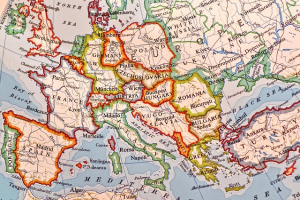
While Venezuela faces immediate humanitarian challenges, the European Union and China are entering three months of talks to address a significant trade deficit. The EU's trade commissioner emphasized the urgency of the dialogue, aiming to stabilize and rebalance the trade relationship. The EU has expressed concerns about the increasing volume of Chinese exports, which threatens European industries and jobs.
As discussions commence, both sides have agreed to consult on various issues, including export controls and intellectual property rights. The EU is seeking tangible results from these negotiations to prevent further economic strain.
Wrap-up
Venezuela is in a critical state following the catastrophic earthquakes and subsequent aftershocks, with the international community stepping in to provide aid. At the same time, the EU's proactive engagement with China reflects a broader effort to manage economic relationships amid growing trade tensions. The coming months will be pivotal for both Venezuela's recovery and the EU's trade strategy.
Sources
theguardian.com
cnn.com
@hoju-korean.com Editorial Team












댓글목록0