












![[Summary News] Global Heatwaves, Middle East Tensions, and Humanitarian Crises Shape International Landscape](https://pixabay.com/get/g2dfdf40d122ea72ffdf5314fcc4bbedcc13c6e0dbb6c0e65800c7c977f62e8426cfe3a35c764d4f490212f6c51e7de40e5e485fe559c1fc3a3dac98efdad088e_640.jpg)
Heatwaves Across Europe
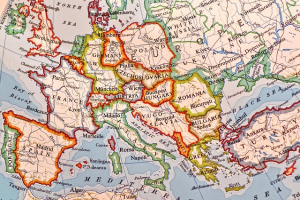
Germany and Italy are experiencing extreme heat, with temperatures soaring above 40 degrees Celsius. Germany set a new record of 41.5 degrees Celsius in Drewitz, following a previous record of 41.3 degrees in Saarbrücken. The heatwave has led to numerous fatalities, including drownings in the UK, where six individuals have died in water-related incidents. Experts warn that the ongoing heatwave could result in significant glacier loss in Switzerland and increased wildfires across France. Authorities in multiple countries have issued red alerts, urging residents to stay hydrated and avoid outdoor activities.
US Response to Venezuela Earthquake
In Venezuela, a series of earthquakes have left at least 920 people dead, prompting a significant humanitarian response from the United States. The US government is mobilizing over 250 personnel as part of a disaster assistance response team and has pledged $150 million in aid. This response marks a critical test for the Trump administration's foreign aid strategy, which has seen significant cuts to the US Agency for International Development. Secretary of State Marco Rubio emphasized the need for a "big, fast, effective" response to stabilize the situation in Venezuela, which the US has recently allied with following the ousting of Nicolás Maduro.
Escalating Tensions in the Middle East
In the Middle East, President Donald Trump has threatened to annihilate Iran following retaliatory strikes against Iranian targets. This escalation follows a drone attack on a cargo ship in the Strait of Hormuz, which the US attributed to Iran. The situation has prompted Bahrain to condemn Iranian drone attacks as a "flagrant threat" to its security. As the US and Iran engage in a tit-for-tat military exchange, Vice President JD Vance claims the US holds all the cards in negotiations with Iran, asserting that the destruction of Iran's nuclear program is a significant achievement.
Lebanon-Israel Agreement and Accountability Concerns
A newly signed agreement between Lebanon and Israel aims to cease hostilities but raises alarms about the potential obstruction of justice for victims of alleged Israeli war crimes. Article 13 of the framework could prevent victims from seeking accountability through international courts, effectively normalizing past crimes. Legal experts warn that this agreement undermines efforts to grant the International Criminal Court jurisdiction in Lebanon, raising concerns among human rights advocates. Hezbollah's leadership has rejected the agreement, labeling it a humiliation for Lebanon.
Wrap-up
The convergence of extreme weather events, humanitarian disasters, and geopolitical tensions underscores the fragility of international stability. As Europe battles unprecedented heat, Venezuela faces a humanitarian crisis, and the Middle East grapples with escalating violence, the global community is reminded of the pressing need for effective diplomatic solutions and humanitarian aid.
Sources:
theguardian.com
@hoju-korean.com Editorial Team





















댓글목록0