













Venezuela's Earthquake Crisis
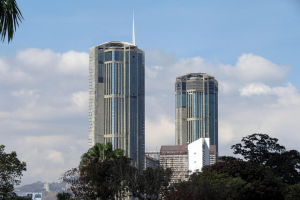
On Wednesday evening, two significant earthquakes, measuring 7.5 and 7.2 in magnitude, struck Venezuela, causing widespread destruction in and around Caracas. Delcy Rodríguez, the interim president, reported that the earthquakes resulted in multiple building collapses, particularly in the Baruta and Chacao districts of Caracas, where rescue efforts are underway. The US Geological Survey indicated that the quakes occurred 39 seconds apart, with the epicenter located west of Moron, approximately 168 kilometers from Caracas. In response to the disaster, international offers of aid have poured in, with the United States deploying a disaster response team and Ecuador promising immediate humanitarian assistance.
Humanitarian Response and Damage Assessment
Rodríguez emphasized the need for calm and urged citizens to evacuate damaged structures. The main airport in Caracas was closed due to severe damage, and public transport systems were halted as safety assessments began. Local authorities have reported that many individuals remain trapped under the rubble, and the full extent of casualties is still being determined. The Venezuelan government has expressed gratitude for international support, including offers from leaders such as Donald Trump and Nayib Bukele of El Salvador.
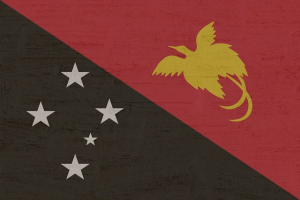
Papua New Guinea's Food Security Emergency
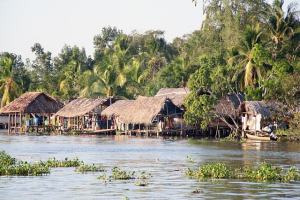
Simultaneously, Papua New Guinea is facing a critical food crisis exacerbated by the ongoing El Niño phenomenon. The country has experienced prolonged dry conditions and frost that have severely impacted agricultural output, particularly in the Highlands region. Oxfam PNG estimates that up to 3 million people could be affected, with nearly 1.9 million in the Highlands suffering from food shortages. Farmers like John Wankar and Martha John have reported devastating losses in their crops, which are vital for both sustenance and income. The lack of rainfall and rising temperatures have also led to water shortages, further complicating the humanitarian situation.
Regional Impacts of El Niño
While Papua New Guinea bears the brunt of the crisis, the effects of El Niño are being felt across the Pacific. Other nations, including Vanuatu, Fiji, and the Solomon Islands, are experiencing worsening drought conditions, while countries like Kiribati and Tuvalu face threats from flooding and rising sea levels. Oxfam PNG warns that the combined impacts of drought, erratic rainfall, and frost could leave millions vulnerable to hunger and disease in the coming months.
Wrap-up
As Venezuela deals with the aftermath of catastrophic earthquakes, the international community is mobilizing to provide support. At the same time, Papua New Guinea's struggle with food insecurity highlights the broader implications of climate change and natural disasters across the Pacific region. Both situations underscore the urgent need for humanitarian assistance and disaster preparedness in vulnerable areas.
Sources:
theguardian.com
@hoju-korean.com Editorial Team

















댓글목록0