











![[Summary News] Severe Weather Events, Tensions in Europe, and Escalating Conflicts in the Middle East](https://pixabay.com/get/gfa2ec2e08a2d8f5026a59ca097ad7b7e84503604f775a9abaf983bc48d470c59c3187a654b72a3cbc60933f69b26b35e41010cd819ba84690fe63c11f0ed0477_640.jpg)
Severe Weather Events Across Europe and Asia
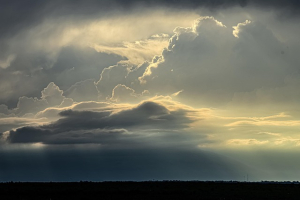
Severe thunderstorms wreaked havoc across the Balkans last week, causing extensive damage as a cold front moved southeastward. The Slovenian Environment Agency recorded gusts of up to 65 mph, with heavy rainfall and hail affecting numerous areas, particularly in Slovenia and Croatia. In the Komenda municipality, over 100 buildings were reported damaged. The storm continued its path into Bosnia and Herzegovina and Greece, causing further disruption.
In contrast, Hong Kong experienced a black rainstorm warning, prompting school closures and advising outdoor workers to seek shelter. Rainfall exceeded 70 mm in just a few hours, leading to significant flooding. Meanwhile, France is grappling with an unprecedented heatwave, with temperatures expected to reach 41 degrees Celsius, particularly affecting northern and western regions, which are usually cooler.
NATO Defense Spending and European Security
At a NATO meeting in Brussels, US Defense Secretary Pete Hegseth criticized European allies for insufficient defense spending, labeling them as "free riders." He announced a review of US military presence in Europe, indicating that future military support may depend on countries meeting their defense spending commitments. Hegseth's remarks come amid growing concerns over security in Europe, particularly regarding Russian aggression.
The Czech Republic has confirmed it will not meet the NATO target of 2% of GDP for defense spending, with Prime Minister Andrej Babiš citing the need to stabilize public finances first. This situation has raised alarms among NATO members, as the US pushes for increased military budgets across Europe.
Ukraine Conflict Escalates
President Zelenskyy has escalated his rhetoric against Russia, warning that "if Ukraine burns, your Moscow will burn" following drone strikes targeting Moscow. These strikes hit an oil refinery and were part of Ukraine's broader strategy to increase pressure on Russia. Zelenskyy urged the US and Europe to impose stricter sanctions on Russia's defense and energy sectors to compel President Putin to end the conflict.
Zelenskyy's statements coincide with ongoing discussions at the European Council regarding Ukraine's potential membership in the EU, marking a significant moment in the country's pursuit of closer ties with Europe.
Middle East Tensions: Israel and Hezbollah
In Lebanon, Israeli airstrikes have resulted in at least 16 deaths amid ongoing clashes with Hezbollah. Israeli Prime Minister Benjamin Netanyahu has stated that Israeli forces will remain in southern Lebanon "for as long as necessary." The violence poses a significant threat to a US-Iran agreement aimed at ceasing hostilities in the region.
The cancellation of US-Iran talks in Switzerland, initially planned to negotiate a peace deal, followed the escalation of violence between Israel and Hezbollah. The US had hoped to discuss Iran's nuclear program and stabilize oil traffic through the Strait of Hormuz, but the recent military actions have complicated these efforts.
Wrap-up
The convergence of severe weather events, geopolitical tensions in Europe, and escalating conflicts in the Middle East underscores a period of instability and uncertainty. As nations grapple with both natural disasters and military confrontations, the international community faces pressing challenges in addressing these crises.
Sources: theguardian.com
@hoju-korean.com Editorial Team






















댓글목록0